

 1975: While Pink Floyd are recording their album Wish You Were Here, written about the group’s founder, Syd Barrett, whose sanity succumbed to an excess of LSD, the man himself wanders into their Abbey Road studio.
  We're all about the history of rock & roll at BoomtownAmerica.com!
Every week, we present “ROCK REMEMBERED,” a deep dive into the hidden history of rock & roll, the stories behind the artists and songs that changed the world. Join host, “Boomtown Bill” Cross each Wednesday at 7 pm (Eastern) with an encore broadcast on Saturday at noon (Eastern).
Join us this Saturday as we reveal "The Actual Sad Stories That Ispied Some Classic Sad Songs!"

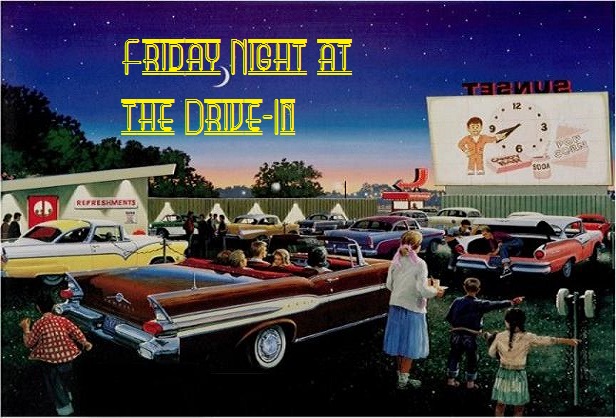 If one comedy personified how Americans saw themselves in the early 1960’s, that comedy would be Pillow Talk. This first teaming of Doris Day and Rock Hudson was instant box office gold, racking up $18 million in ticket sales (back then, that was a blockbuster!) and leading to more on-screen teamings of the two.
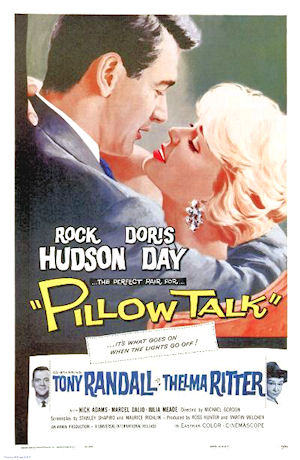 Now, the entire premise of Pillow Talk makes it impossible to remake today. It revolves around something we once called a “party line.”
Most people would have trouble remembering a time without cell phones, let alone a time when even the most glamorous of people (like Hudson & Day’s characters in this comedy) had to share their telephone line with total strangers.
The gimmick is a clever twist on the mistaken identity meme quite common in farce.
High level interior decorator Jan Morrow (Day) and skirt-chasing Broadway composer Brad Allen (Hudson) share a party line in midtown Manhattan. His monopolizing of that line leads to verbal fireworks and an on-going feud.
Until they meet when, of course, they immediately fall in love. However, Hudson quickly realizes who Day really is and invents a phony persona, Texas tycoon Rex Stetson to woo the unsuspecting and always virginal Ms. Day.
Enter an irony that makes watching the film today even more of a hoot. Brad Allen via the party line keeps suggesting to Morrow that “Rex Stetson,” the lover boy he’s pretending to be, may be “a little light in the loafers” as people used to say.
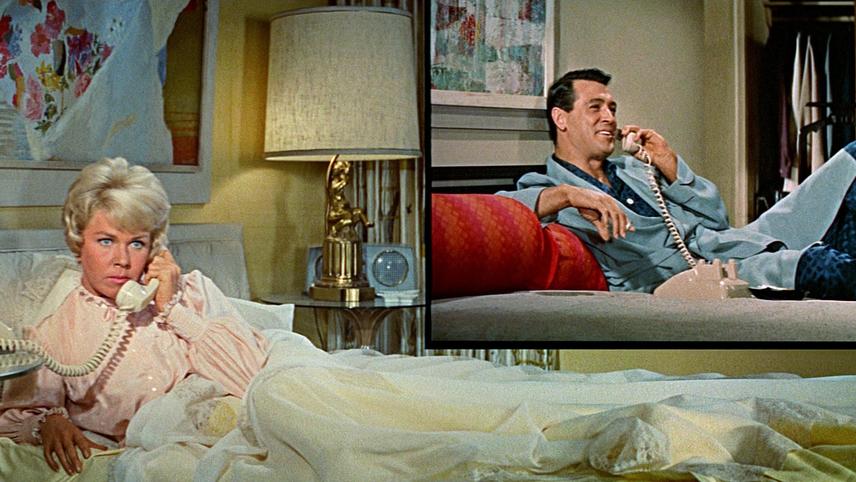 Knowing what we do now about Hudson’s private life, those scenes take on a surreal quality.
And scope out Hudson’s New York “apartment.” It’s a two-story number with a circular staircase between floors. Only slightly smaller than the Taj Mahal, one wonders where in Manhattan one could find such a showplace. And is it rent-controlled?
Anyway, the whole film is a delightful time capsule that shows us not as we really were, but as we wished we could have been.
Of course, the duo, along with sidekick Tony Randall, would be back in other comedies like Lover Come Back and Send Me No Flowers, with Doris somehow regaining her virginity. But this first entry is still the best, having earned an Oscar for Best Original Screenplay as well as nominations for Day and female co-star Thelma Ritter.
Pillow Talk is available on disc and streaming services online.
Just pick your favorite star! (That James Arness is sooooo dreamy!)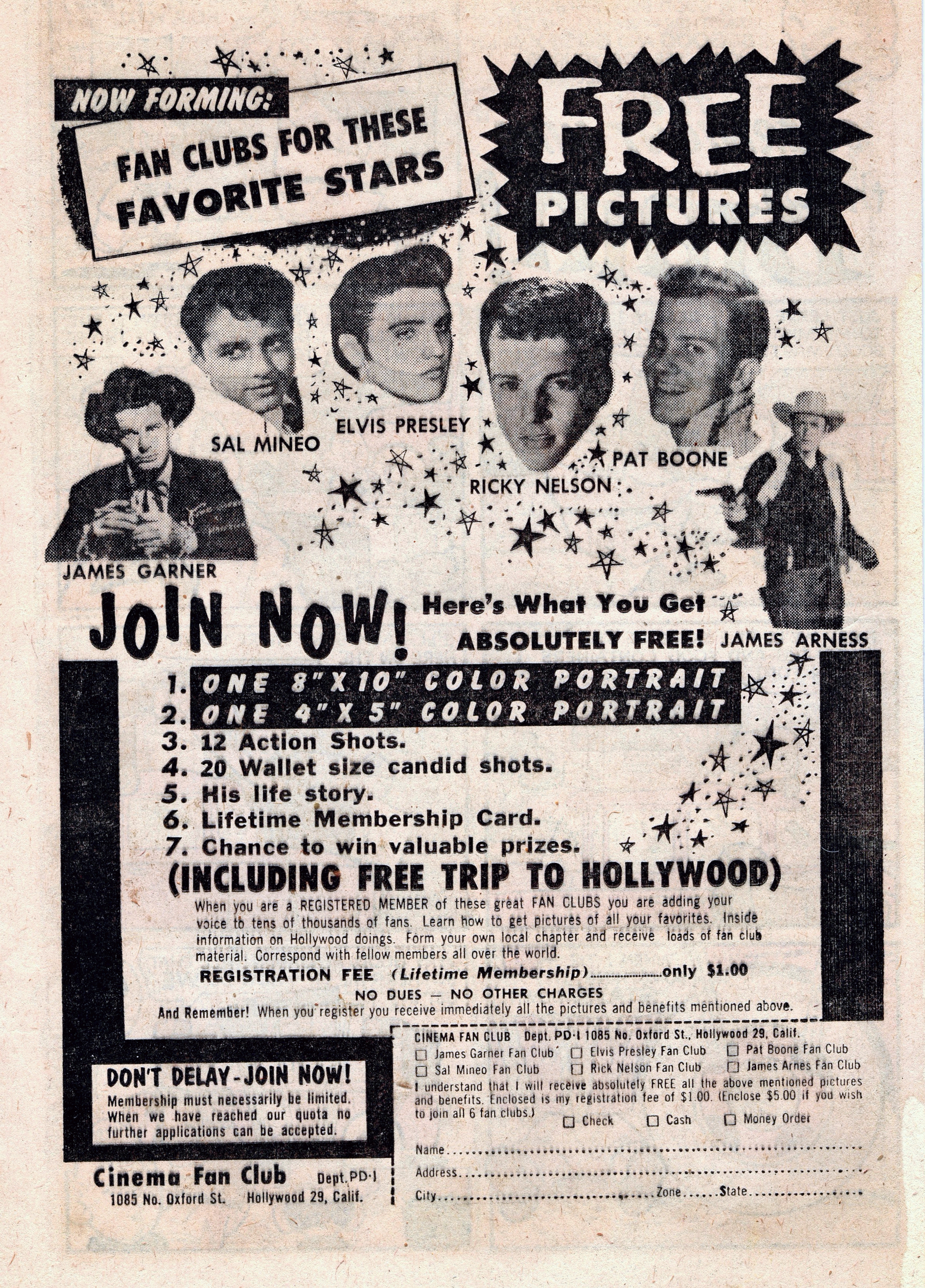
 A song that came to embody the summer of 1976, Starbuck’s one and only hit, “Moonlight Feels Right” took its sweet time getting there.
The song was written by the band’s lead vocalist and keyboard player, Bruce Blackman. Blackman was a Mississippi boy who was instantly smitten with a picture he saw of a young girl that was posted on someone’s dorm room at Mississippi Delta Community College. He was so obsessed, he demanded to know the girl’s name and where he could find her. Her name was Peggy Denman and she was enrolled at the school.
Blackman immediately enrolled at the college himself, purely to see if he could meet her. He did meet her, but she was less than thrilled with him. He asked her out. She turned him down. He asked her out again. She turned him down again. Not discouraged, Blackman asked a third time while she was walking across campus on a very windy day. This time, she said yes.
 Not only did Blackman have a date with his dream girl, he also had the beginnings of some song lyrics: “The wind blew some luck in my direction…” Eventually, he had a whole song worked out. He didn’t think a community college sounded very romantic, so he moved his lovers’ alma mater to Ole Miss in the lyrics – the school both he & Peggy had wanted to attend, but couldn’t afford. He also moved the song’s location up to Baltimore hoping that might encourage airplay in areas outside the south.
Blackman took his band, Starbuck, into the studio in the fall of 1975 to record it. One of his bandmates, Bo Wagner, improvised a very unusual solo for the record, playing the marimba – a percussion instrument like a xylophone not normally associated with rock & roll. Starbuck’s record label liked the song, but hated the marimba. They told Blackman to cut it out. Blackman refused. Instead, he and the band loaded up a car with a box of the singles and took off, crisscrossing the South, dropping off their song at radio stations and lobbying DJs to give it a chance.
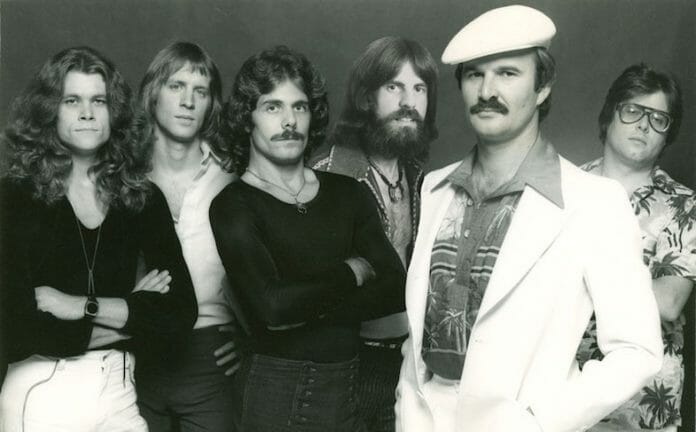 Only one station told him they really liked the song, WERC in Birmingham, Alabama. But the program director thought it sounded more like a warm weather song, so he told the band he would give it shot in late spring. They thought he was just finding a polite way to blow them off, so Starbuck went on their way. Discouraged, the band gave up on promoting the record and returned to performing around the South.
But WERC had been serious. As the weather turned warm in 1976, they played “Moonlight Feels Right.” The response was immediate, positive and heavy. Before long, the song had become a regional and then a national hit, reaching #3 on the Billboard Hot 100 and #2 on the magazine’s Easy Listening chart.
While the band never had another hit record, Blackman has continued performing and also producing other musical acts. Oh, and he eventually married Peggy Denman. They remain married to this day.
Never underestimate the power of lucky wind.

Hopefully, you’re really satisfied with your general care provider. But the experts say, if you’re starting to think he or she isn’t treating you the right way, you are probably correct and it may be time to find a new doctor.
Here are some warning signs:
- Dismisses your concerns, saying they’re all caused by age
- Says, “There’s nothing that can be done.” There’s always something that can be done.
- Doesn’t let you talk, interrupts or cuts your visits short.
- Keeps recommending treatments or specialists, but nothing’s getting better.
- Write prescriptions with a minimum discussion with you.