


Take a Gander At The Rock & Roll Scrapbook
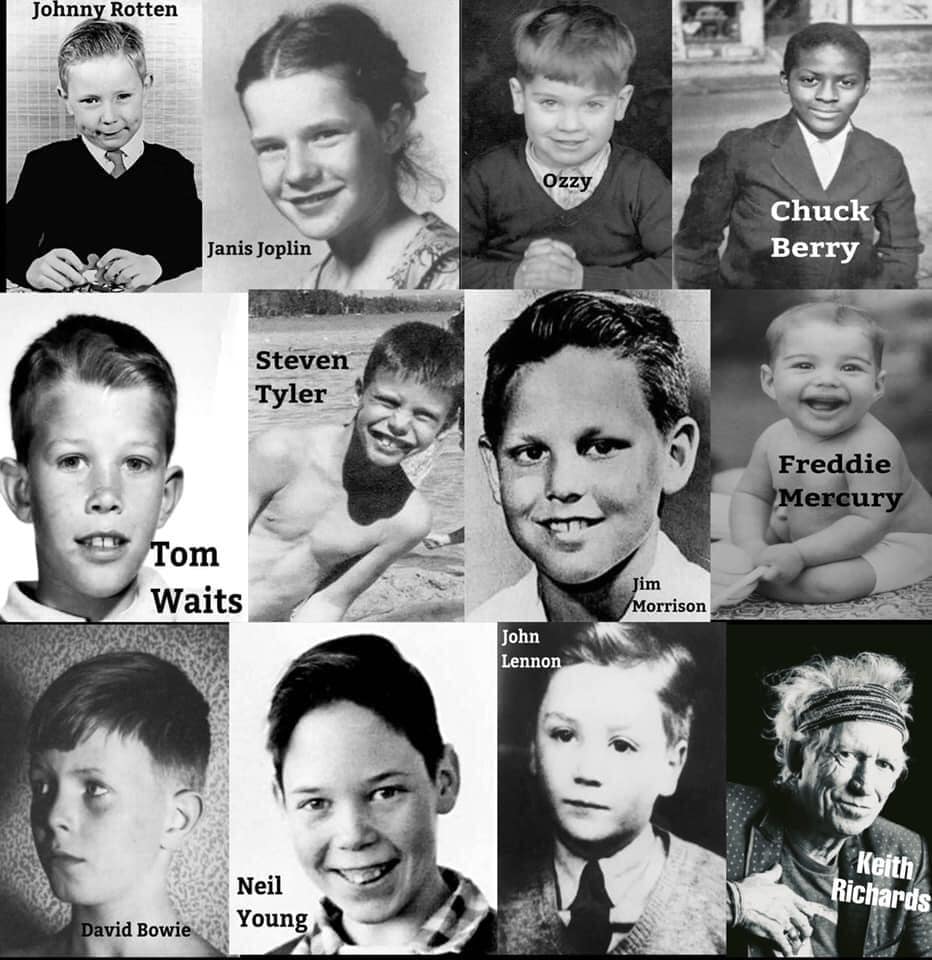
They were so cute as kids...
Jim Steinman 1947-2021
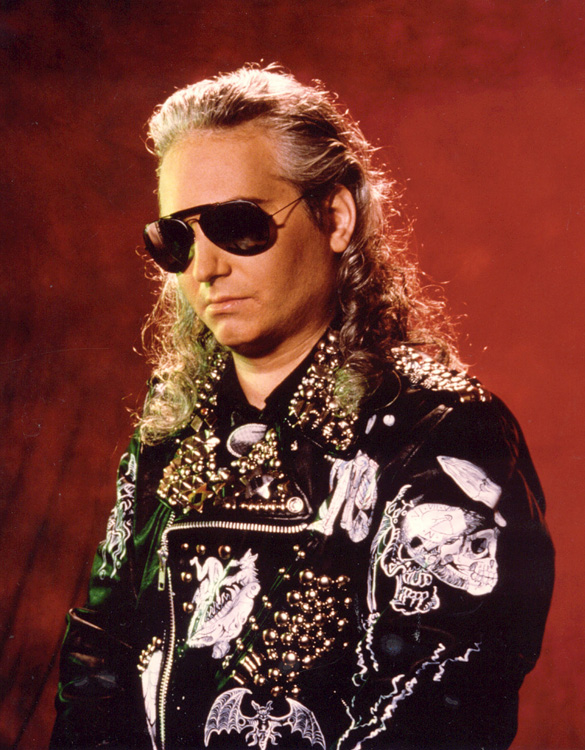 It is with sadness that we learned that Hall of Fame songwriter Jim Steinman passed away Monday from long-term health problems.
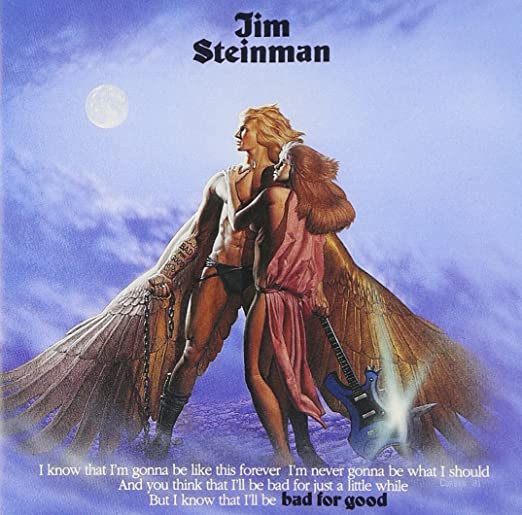 Less well-known, his only solo album Bad for Good was supposed to be Meat Loaf's follow-up to Bat Out of Hell. When problems arose between Meat Loaf & Steinman (a recurring theme in their careers), Steinman went into the studio and cut it himself.
The Story Behind the Song: Sally Go Round the Roses
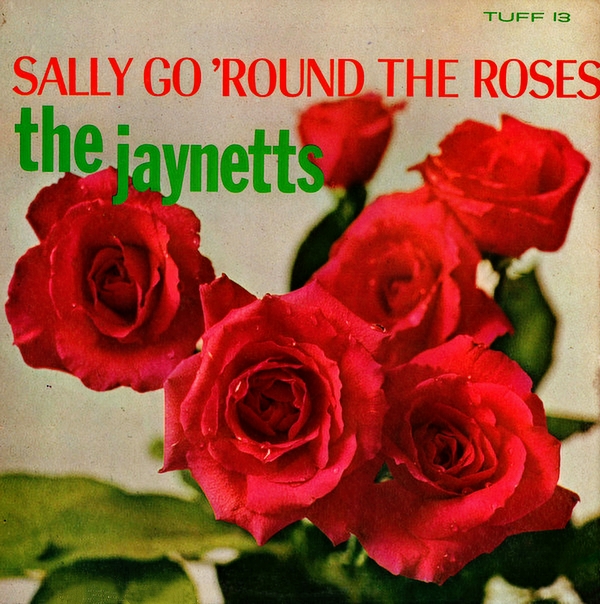 One of the simplest, yet most haunting songs of the 1960s, “Sally Go Round the Roses” hit right before the start of Beatlemania in August of 1963. The record is credited to a one-hit wonder, the Jaynetts, but the story behind the song reveals a history that’s a bit more complicated.
Abner Spector (no relation to Phil) was an A & R man for Chess Records who occasionally produced R&B sides for a small independent label known as Tuff Records. In the spring of 1963, Spector decided that he wanted to record a song with the girl group sound that was then a very popular genre (thanks to the Shirelles, the Chiffons, the Dixie Cups, etc.). So, he talked to the head of Tuff Records, Zelma "Zell" Sanders, and asked her to come up with an appropriate song and begin assembling some singers. Zell wrote the song in collaboration with Spector’s wife, Lona Stevens. The duo decided to draw their inspiration from the nursery rhyme “Ring Around the Rosie” (itself kind of creepy – as its seemingly innocent lyrics are really about the symptoms of the Bubonic Plague).
Once the song was written, Spector played the tune for arranger Artie Butler. Artie didn’t think it sounded like a hit, but agreed to do what he could with the song. To save money, Bell worked out of a small demo studio in Manhattan, hiring only 2 musicians to assist him – guitarists Al Gorgoni and Carl Lynch. Butler himself played all the other instruments. The tracks were laid down on an old Ampex machine, recording at 71/2 ips. Butler slowly built up the tracks applying a different style and amount of reverb to every new instrument he added.
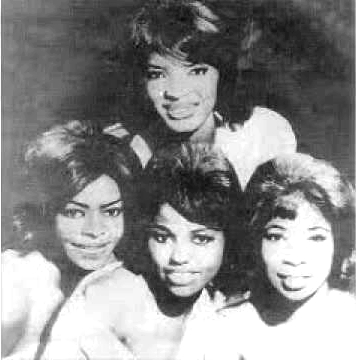 When he had the backing tracks completed, he went in the studio with a group of 5 female singers Sanders had assembled (Yvonne Bushnell, Ethel Davis, Ada Ray Kelly, Johnnie Louise Richardson and Mary Sue Wells). Butler didn’t think they were enough and began adding other voices to the recording. In the end at least 10 different women contributed vocals to the song (also including Selena Healey, Marie Hood, Marlene Jenkins, Louise Harris Murray, Lezli Valentine and Iggy Williams), with some people who attended the sessions claiming as many as 20 different singers were ultimately used.
When the record was finished, Butler played it for Spector. And Spector hated it.
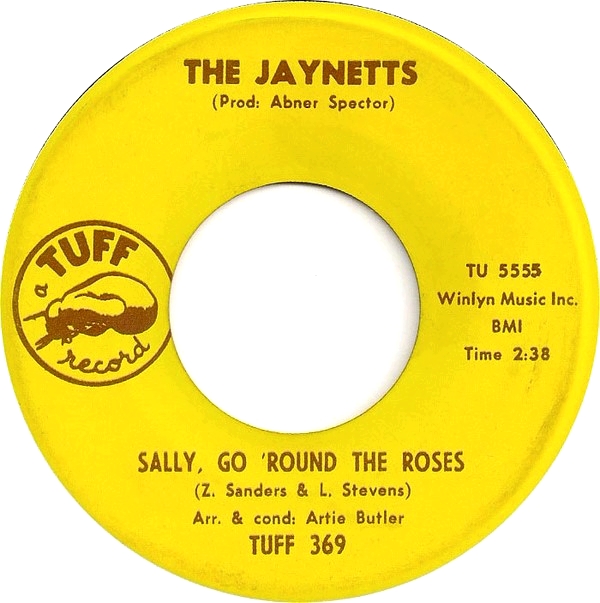 He accused Butler of wasting his money (in all, the record cost $60,000 to assemble, an unheard of figure in those days). So, Butler took the record to famed songwriter/producers Jerry Lieber & Mike Stoller (Elvis, the Coasters, the Drifters, etc.). Lieber & Stoller loved the song and offered to buy it from Spector and release it themselves. Well, their interest changed Spector’s mind. He went ahead and released it himself on the Tuff label, using the name the Jaynetts as the recording artist and crediting himself as producer. Butler did wind up getting credit as arranger, but received only $3 for all his efforts. When the record was released, most photos of the alleged “group” showed only four of the females who sang on the record (Yvonne Bushnell, Ethel Davis (aka Vernell Hill), Ada Ray Kelly and Johnnie Louise Richardson, with Mary Sue Wells eventually replacing Richardson).
The song became an immediate smash, racing up the charts until finally reaching #2 on the Billboard Hot 100 in September of 1963.
One of the reasons for the song’s enduring popularity is the almost other worldly eeriness & melancholy that drench the production. And what has caused this soul-crushing sadness is only vaguely alluded to in the lyric: “Saddest thing in the whole wide world/See your baby with another girl”. A simple case of a cheating lover seems too trivial for such monumental sadness. Over time, many have put forth a variety of other explanations – the song is about lesbian lovers (then a scandalous topic), drug use, the singer has discovered she is pregnant and will be an unwed mother. But like all great rock songs, the meaning of it is totally up to each individual listener to determine.
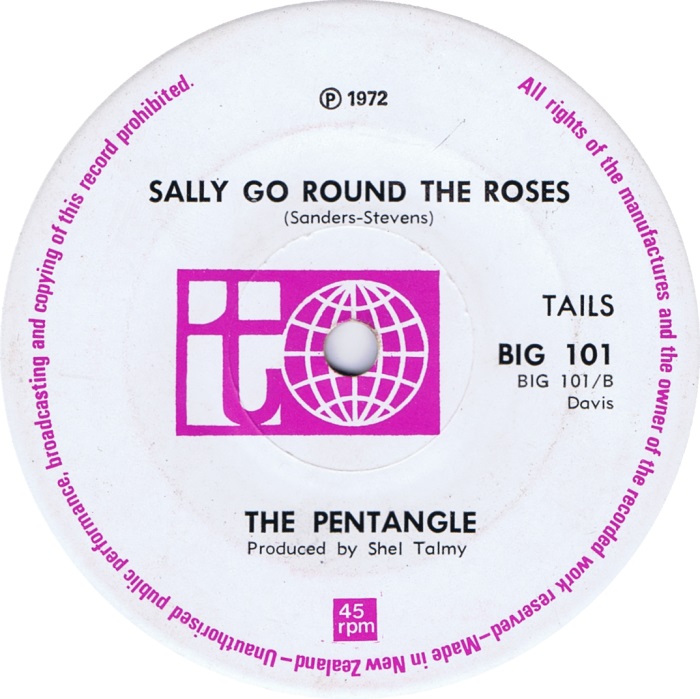 The song has inspired many other rock singers who came after it, including Grace Slick (who performed the song with her original group, the Great Society), Joan Baez (who can be heard singing a bit of the song in the Dylan film, Don’t Look Back), Pentangle (who had a UK hit with the song at the end of the 60s and many others, including Donna Summer who recorded a version when she was going by the name Donna Gaines.
Alas, lightning only struck once. Attempts to follow up “Sally Go Round the Roses” all failed to chart. But the record was named to Billboard’s compilation of the “100 Greatest Girl Group Songs of All Time.” Give it another listen and se if you can figure out why Sally needs to keep going round those roses.
Let’s All Sing Together
While a great many rock bands follow in the mold of Mick Jagger & the Rolling Stones or Freddie Mercury & Queen where one member primarily handles the lead vocals, some of rock’s most successful acts actually feature multiple lead singers.
(Yes, we know Keith Richards racked up a lead vocal or two – same with Benjamin Orr in the Cars, but Mick and Rick Ocasek handled more than 90% of the lead vocal duties for their respective groups.)
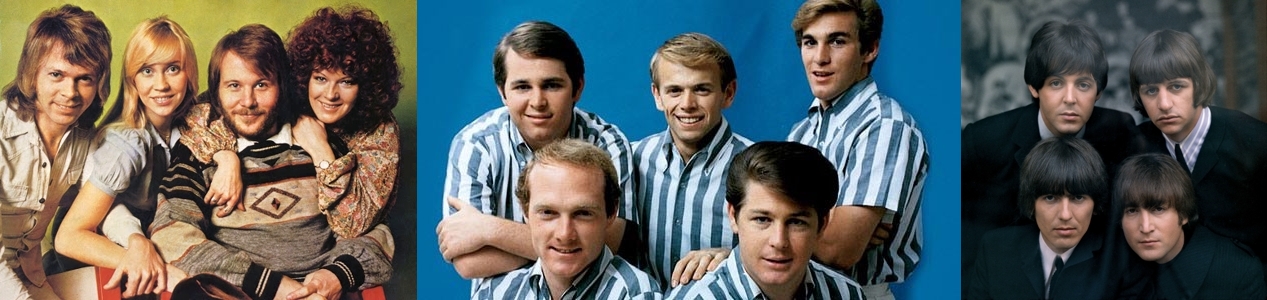 Here’s a list of successful groups that shared lead vocal duty. Who have we missed?
- ABBA
- Association
- Beach Boys
- Beatles
- Bee Gees
- Buffalo Springfield
- Cream
- Crosby, Stills, Nash & Young
- Eagles
- Fleetwood Mac
- Grateful Dead
- Jefferson Airplane/Starship
- Mamas & Papas
- Monkees
- Moody Blues
- Move
- 10CC
- Three Dog Night
- Traveling Wilburys
- Who (While Roger Daltry handled most lead vocals, quite a few songs also feature parts where Pete Townsend takes the lead; plus, each album featured one or two songs where John Entwistle sang lead and, every once and awhile, there was a lead vocal part for Keith Moon.)

Why Cover Songs?
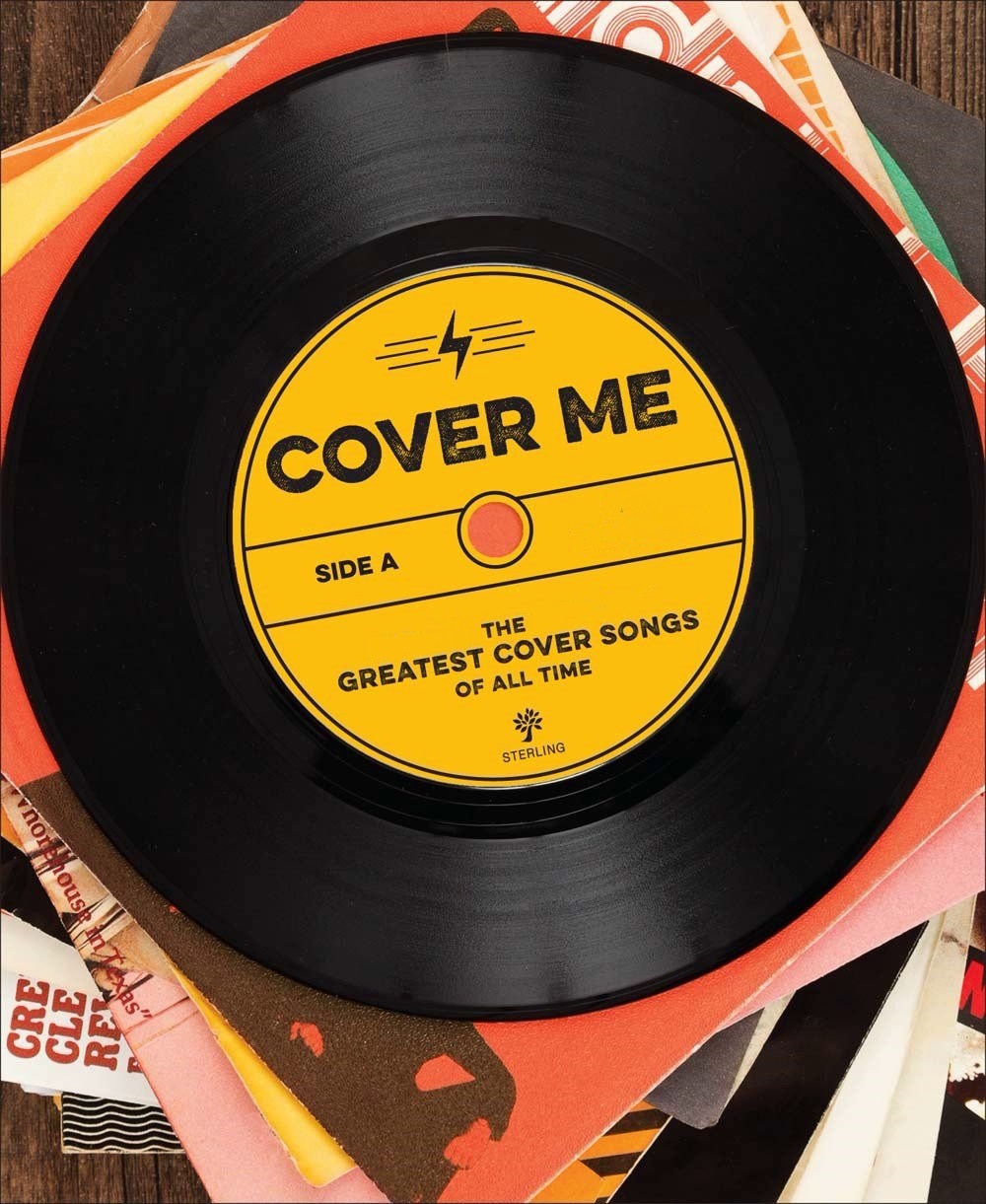 One question we get asked often is about the cover songs here at Boomtown America. 3 reasons:
Cover versions put the focus on the song: In our parents’ era, there were few singer/songwriters. As such, most singers were all picking their material from what was known as “the America Songbook.” It’s not unusual to find singers like Frank Sinatra, Tony Bennett, Patti Page, etc. all doing their versions of popular songs.
Rock ‘n’ roll grew out of rhythm & blues, where many of the artists wrote their own material. Chuck Berry, Little Richard, Buddy Holly, Bo Diddley and many other early rockers composed their own material. The second wave of rock acts, influenced by the first, continued the tradition: Brian Wilson, John Lennon & Paul McCartney, Mick Jagger & Keith Richards, Ray Davies and so many more.
Yet, even those acts could and did create classic recordings covering other people’s material. The Beatles’ “Twist & Shout” is a cover, but considered the definitive version of that song. The Beach Boys chipped in their share with covers of “Barbara Ann,” “Sloop John B,” and many more.
And think how many different artists have taken a swing at “Johnny B. Goode” or “That’ll Be The Day.”
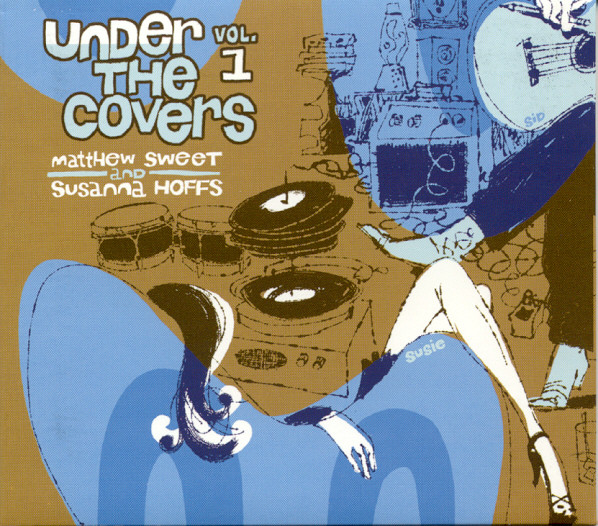 Cover versions can bring a fresh interpretation to a song: Sometimes, we’ve heard the “hit version” so many times, we’ve lost sight of how strong the composition really is. Hearing an interesting cover forces us to focus on the song itself.
Sometimes, it can make us feel we’re hearing it for the first time.
Cover versions helps us view the singer or band doing the cover in a different way. Presuming the artist liked a song well enough to choose to do a cover tells us something about the kind of music they like apart from their own material. To discover that a rock star you love also loves the same songs you do can create a strong bond between artist and audience.
Heck, try and find a Bruce Springsteen concert where the Boss doesn’t play several covers of rock classics. It’s become a hallmark of his live shows. He’s been known to cover everything from Woody Guthrie to the Bee Gees.
Cover songs – just one more way we celebrate the greatness of Rock & Roll!
Pretty Sure We All Attended a Few of These....
Who Needs Cash?

Advances in electronic technology are moving us towards a totally cash-less society. Where we once made regular visits to an ATM to replenish our wallets, we’re making many of those trips less and less. Many banks have closed down their drive-thru lanes due to lack of business.
Of course, those of us raised in a cash-based culture may be a little wary of going cashless. Here are two of the safest modes of cashes transactions:
 Contactless Credit & Debit Cards: If your card has a contactless symbol, any time you see a terminal purchase with a matching symbol, you can pay for your purchase without even having to touch the terminal. Just tap on or wave your card at the terminal at the checkout and that should take care of everything.
Is it secure? Yes. Very. Each transaction generates a one-time security code. So even if a hacker could crack that code, it would them no good as the code is already outdated.
Bank Online Bill Pay: Most banks now allow you to make payments from your account by logging on with your computer or using an app you download to your smartphone. Dollar-for-dollar, these type of transactions have one of the lowest fraud rates in the country and, of course, they’re also contactless.
How do I keep it safe? Never store your back account numbers or passwords on your computer. This also means turning down your computer’s request to “remember” your password for future visits. In addition, never share your bank account number over the phone or by email. And watch out for fake websites. Never click on a link in an email. Always type the company’s URL into your web browser by yourself.
Home-Made Vision Care

If it’s been a while since your last eye exam, here are a few things you can do to help your vision until the next time you visit your optometrist:
1. Go for a Walk: Believe it or not, research shows that a little exercise (as low as 3 hours per week) can significantly lower the risk of developing age-related macular degeneration. In addition, taking an extra 5,000 steps a day can slow the rate of vision loss due to glaucoma.
2. Wear Some Shades: UV light from the sun can contribute to the formation of cataracts. Vision experts recommend wearing sunglasses with UV blockers year-round, whether it’s sunny or overcast. When you’re shopping, the magic number to look for is UV400 protection or 100% UV.
3. Use Artificial Tears: As we age, our eyes tend to dry out more than they did when we were younger. Artificial tears are a safe way to combat this and are available easily over the counter. A drop or two in each eye in the morning and then again, as needed.
Bubbling Under the Boomtown America Hot 100
Uh... I believe the answer is, "No.".
Whatever Happened to Cubby O’Brien

Not quite as famous as Annette, Cubby O’Brien was, nonetheless, one of the better known Mousketeers. He was part of a core group that was involved in the entire first run of black & white episodes. Cubby also made it into the Disney feature, Westward Ho, the Wagons along with several other Mousketeers. Because of his height and age, he was often paired with Karen Pendleton making “Karen & Cubby” a celebrity couple long before people started thinking like that.
Born in 1946 with a real first name of Carl, Cubby’s main talent was drumming, which was frequently featured on the show. Cubby’s dad, Hack O’Brien had been a successful big band drummer and he started his son on the drums at age 5. Cubby proved a fast learner.
When filming on the Mouse Club, wrapped, Cubby continued to make personal appearances on behalf of Disney up through the early 1960s. Graduating high school in 1962, Cubby immediately began a long & successful career as a professional drummer. He was part of Lawrence Welk’s Orchestra for two years before joining Spike Jones touring band. He then moved on to drumming in the group that backed up Ann-Margaret and eventually wound up in the studio band that provided live music for The Carol Burnett Show.
Beginning in 1973, Cubby began touring as the drummer for the Carpenters. While Karen could play the drums, she seldom did so during live shows. Contrary to reports, Cubby did not play on any of the Carpenters recordings.
During the 1980’s, O’Brien moved to New York and began finding steady work as a drummer and musical director for Broadway productions.
Married three times, Cubby is now based in the Pacific Northwest and still performs in touring Broadway productions as well as serving as the drummer for Bernadette Peters touring band. He has also participated in various Mousketeer reunions, the most recent being in 2005.
Cubby is living proof that child performers can go on to have happy, normal lives.
Pop Up Player

Latest Posts–Fads & Fashion
-
Anyone Remember I.D. Bracelets?
During the early part of the 1960s, the absolute, “must-have” piece of jewelry for young men was the I.D. bracelet, most famously made by Speidel. They were relatively inexpensive as jewelry goes and came in…
-
Join the IN Crowd!
A rare meeting of the Rolling Stones and that other "fab" group, the Rotting Stumps!
-
Happy Easter From Boomtown America!
Mary, Mr. Grant wants to see you in his office to discuss appropriate work attire!
-
Paging Dr. Freud
Besides the obvious sexism, implying single women were somehow going ketchup-less...do you find anything, oh, somewhat suggestive about the woman's pose and what she's running her finger over?
-
Back When Everything Really Was Archie
The True and (Mostly) Untold Story of America’s #1 Teenager In the days before cable TV, DVDs, and video games, no summer vacation was complete without at least one afternoon (and probably many more) spent…
-
Those Crazy Teenagers - 21st Century Style
Now that we're in the 21st Century, I'm sure we all recognize how true the view from 1952 was!