


Accentuate the Positive to Keep Your Brain Healthy
 Research has shown that negative thinking: holding grudges, resentments and negative thoughts can lead to a decline in cognitive thinking in adults 55 years of age and older.
Research has shown that those who engage in prolonged negative thinking have more amyloid and tau deposits in their brain. Those happen to be the biological markers of Alzheimer’s disease.
Of course, we all have negative thoughts from time to time, but here are some ways to make sure they don’t hang around very long:
- Make a list of all the things you’re grateful for. Can you still see? Can you still walk? Do you have a roof over your head and know where your next meal is coming from? If necessary, write the list out on paper or your computer.
- Take some deep breaths. Believe it or not, that can elevate your mood.
- Watch a comedy, be it a movie, TV show or stand-up special.
- Don’t beat yourself up for having a bad thought. Simply acknowledge it and move on.
The Essential Boomer Album Collection Part 13 – Cheap Thrills
 An album almost as famous for its cover as for the songs inside, Cheap Thrills, released in the summer after the Summer of Love (i.e. 1968) introduced America to perhaps the greatest white blues singer of all time – Ms. Janis Joplin.
But Cheap Thrills was not the band’s first album, nor was Joplin part of the group’s original line-up. Big Brother & the Holding Company was formed in 1966 by San Francisco-based guitarist, Peter Albin. He started informally jamming with another guitarist, Sam Andrews. The pair decided to form a band, adding James Gurley on guitar (Albin moving over to bass) and Chuck Jones on drums. Jones was soon replaced by David Getz and BB&THC became one the most popular bands in what was the emerging “psychedelic” scene blossoming in San Francisco.
The lads thought adding a girl vocalist to their line-up might help expand their repertoire as well as increase their popularity. The band’s manager, Chet Helms, knew of a young Texas singer who considering moving to California. So, Helms invited Janis Joplin to move west and audition with the group. Unlike the movies, the band wasn’t that impressed with Joplin. And Joplin wasn’t that impressed with the band. Nevertheless, she decided to join, making her first appearance with the group at the Avalon Ballroom in June of ’66.
Gradually, singer and musicians found a way to work together. The group abandoned their improvisational free-form sound while Joplin learned how to sing with very loud musical accompanists. The group joined Jefferson Airplane, the Grateful Dead, and Quicksilver Messenger Service as part of what became known as “the San Francisco sound.”
 In September of the same year, the group found themselves stranded in Chicago when the money they got for a gig in the Windy City didn’t cover their fare to return home. So, they cut a deal with Chicago’s Mainstream Records and recorded the first four tunes in Chitown to earn enough to get back to California. They finished the album in L. A. Simply titled, Big Brother & the Holding Company, the album sold well enough in San Fran, but failed to make an impression anywhere else. The fact that Mainstream Records was a jazz label and BB&THC was their first rock act may have had something to do with it.
The band’s big break came a year later. Their appearance at the legendary Monterey Pop Festival was so strong that festival organizers asked the band to perform again on Sunday, following their initial set on Saturday afternoon. The buzz around this gig led Columbia Records to offer the group a new recording contract. However, it took some extensive negotiations to get the group out of their contract with Mainstream Records. That pushed off the recording of their second LP to the spring of 1968.
 Those sessions led to the release of Cheap Thrills in August of ’68. The initial idea was to record the band live. However, those recordings proved less than satisfactory (except for “Ball and Chain,” which did make it onto the album). Instead, producer John Simon brought the group into the studio and simulated a live album by overdubbing crowd noises on the rest of the tracks and tacking on a recording of noted rock promoter Bill Graham introducing the group to open the album.
The group had asked noted underground cartoonist, Robert Crumb to provide art for the back cover, which would include a list of the songs on the album. Crumb refused payment for his art, saying he didn’t want any of Columbia’s “filthy lucre.” For the front cover, the group wanted to use a photo of the band lying nude in a very wide bed. Columbia Records didn’t like that idea at all. They also didn’t like the name for the LP that the band proposed: “Sex, Dope & Cheap Thrills.” Columbia cut the title down to just “Cheap Thrills” and moved R. Crumb’s artwork to the front of the LP, slapping a black and white photo of Janis on the back cover,
Both proved to be shrewd moves. Cheap Thrills became a runaway bestseller, vaulting into the #1 position on Billboard’s LP chart for an impressive 8 weeks. And Crumb’s artwork really helped the album stand out in the record stores of America.
 “Piece of My Heart” became a hit on Top 40 radio, reaching #12 on the Hot 100. “Combination of the Two,” “Summertime” and “Ball and Chain” also received heavy airplay on the newly emerging string of “underground” FM rock stations springing up in markets across the U.S.
The end result of all this was to make Janis Joplin a superstar who had outgrown her backing band. Shortly after the success of the album, Joplin announced she was leaving Big Brother to launch her solo career. Her star burned bright, too bright. She performed at Woodstock and recorded two more studio LPs, but the alcohol and hard drugs took their toll. She died of an overdose in October of 1970.
Cheap Thrills remains one of the best examples of rock from that era. It’s consistently mentioned in “Greatest LPs of All Time Lists” and its cover, intended to be a back cover (!), is also frequently mentioned as one of the genre’s best.
Subsequent reissues of Cheap Thrills now include additional tracks recorded during those sessions that were initially left off the album.
Remember Earth Shoes
 What were we thinking? In the early 1970s, lots of Baby Boomers traded in their old shows for something called Earth Shoes. These orthopedic marvels featured something called a “negative heel.” Instead of a raised heel, the toes in Earth Shoes were higher and the heels lower. According to the manufacturer, this would lead to a better posture and overall health benefits.
Earth Shoes were actually created in 1957 in Denmark by Anne Kalsø. She called them Minus Heel Shoes. In 1970, Americans Raymond and Eleanor Jacobs contracted to bring them to the States. But the Jacobs thought the name was too clunky, especially for clunky-looking shoes. So, opening their first store in NYC on the very first Earth Day, they capitalized on the media buzz and renamed them Earth Shoes.
That ignited a fad for the footwear that quickly went coast to coast. Many people claimed the shoes made their feet feel better. Others said it always felt like they were walking uphill. And still others said that it added to their back pain. For whatever reason, the fad fizzled after a few years, and the company the Jacobs founded filed for bankruptcy in 1976.
Somehow, Earth Shoes have kept on walking. While nowhere near the popularity they enjoyed in our youth, Earth Shoes can still be found from dozens of online retailers. And that’s no mean “feet.”
Love Our Music – But Listen Responsibly
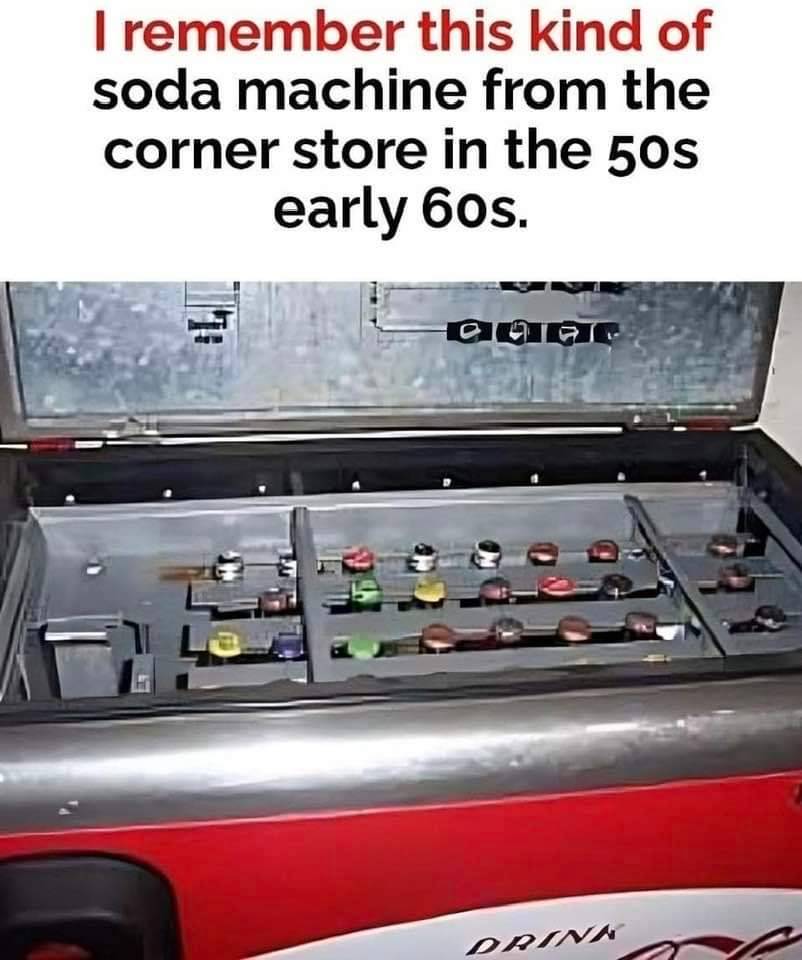
 As we age, many of us develop hearing problems from being a bit hard of hearing to tinnitus. One of the worst things you can do is to crank up your earbuds or headphones when listening to music or your favorite podcast. Not only can that excessive volume damage your hearing, there is evidence it can increase the likelihood of developing dementia.
How do you know if you’re cranking the volume up too loud? If someone else can hear the sound from your headphones or earbuds, they’re too loud. Dial back the volume a bit. We want you to keep rocking for many years to come.
The Story Behind the Song: Hotel California
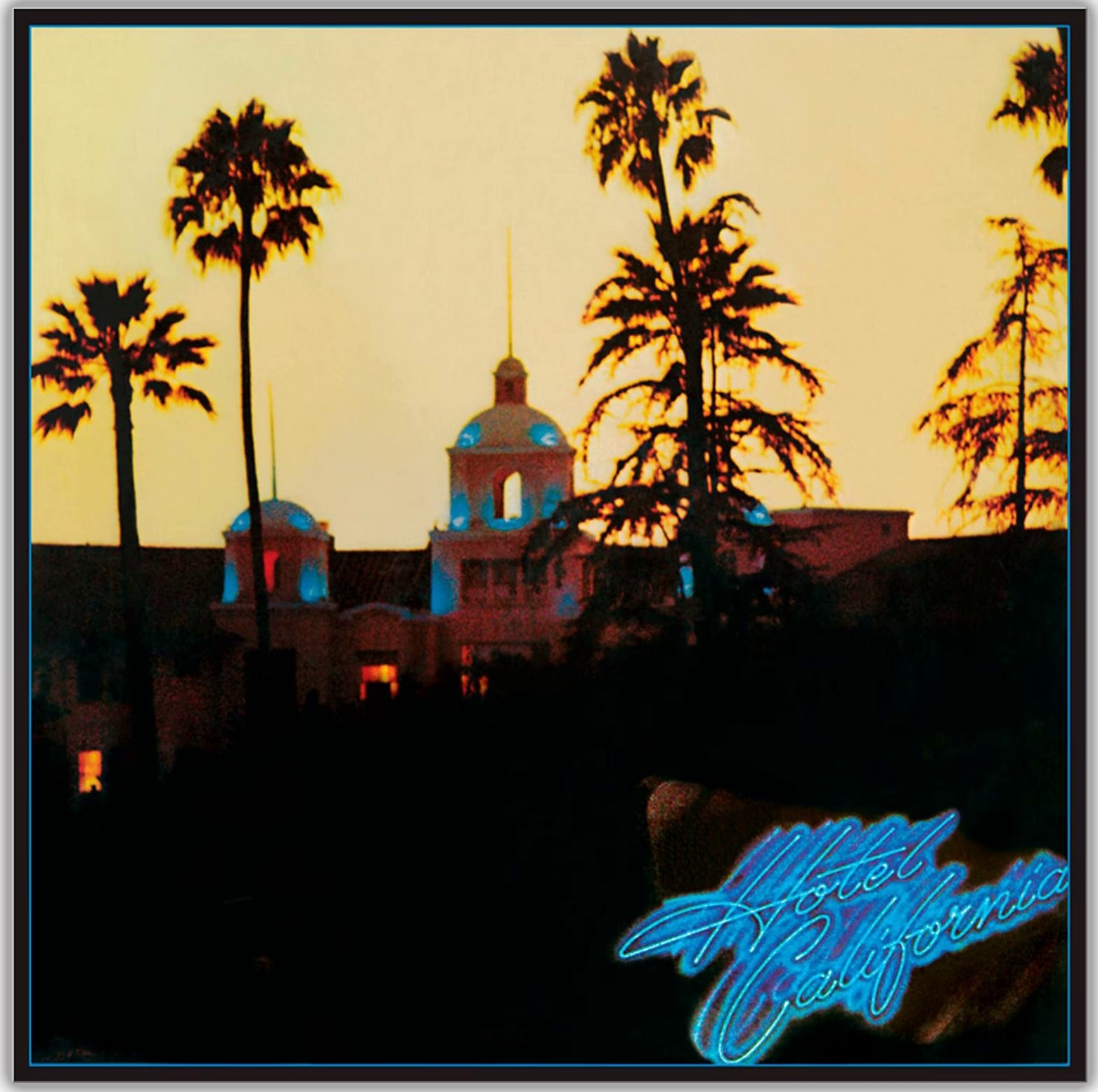 The best-selling American band of all time is the Eagles. And their best-selling, non-greatest-hits LP is Hotel California. Released in 1976, that album has racked up sales of over 30 million certified copies and ranks #3 on the worldwide list of best-selling albums of all time (right behind their own Greatest Hits LP at #2).
The title song is one of the reasons for its enduring popularity. But what was the inspiration for the song and what do its cryptic lyrics mean?
Well, like most great rock songs, the composers have been very vague, allowing each listener to define the song’s meaning for themselves. Glen Frey said that he and co-authors Don Henley and Don Felder wanted to create a song that was like a Twilight Zone episode. Weird when you think that the Twilight Zone attraction at Disney theme parks is also based on a hotel where guests check in but “never leave.” But as to its exact meaning, Frey says he doesn’t really know himself.
For his part, Henley says the song is about “a journey from innocence to experience…that’s all.”
Whatever it means to you, “Hotel California” was released as the second single from the album and went straight to #1 in the U.S. and Canada, also reaching the Top 10 in the U.K. and several other countries. It remains a staple of classic rock radio stations and is in the rotation here at Boomtown America. Plenty of room and any time of year, you can find it here.
Make Extra Money: Rent Out Your Stuff
 Many Baby Boomers are looking for ways to pad their income a bit now that they’re retired. One way to do that is by renting out stuff you own. Several websites have sprung up in recent years that will act as a middleman and help you generate some extra cash from vehicles you own, but don’t use often, to outdoor sports gear.
For example, if you’re one of those handy do-it-yourselfers who own a lot of power tools and similar equipment, you can list them for rent at sites like FriendWithA.com or RentMyEquipment.com.
A Great Gift Idea!
Listening to this online radio station not enough for you? Well, we have the solution!

"Works fine" - what better endorsement is there than that!!!
5 Ways to Cut Down on Sugar

You don’t need us to tell you that cutting down on sugar is beneficial to virtually all of us. But with the American diet so sugar-coated, how to do that? Here are some helpful hints.
1.) Start your day with protein – As a society, we’ve been conditioned to think of breakfast as a time for grain-based cereals. This is due to misguided health nuts like Dr. Kellogg whose theories have long been found to be false. Yet, our insistence on Frosted Flakes in the morning persists. This is bad because starting your day with carbs can spike, then crash your blood sugar, leading to food cravings not long after you eat. Instead, experts recommend starting your day with plenty of protein, like you find in eggs, yogurt or a smoothie with protein powder.
2.) Get a Good Night’s Sleep – Believe it or not, studies have shown that those who get a good night’s sleep consume significantly less sugar than those who sleep poorly.
3.) Be on Guard in the Grocery Store – The best not to consume products high in sugar is not to buy them and bring them home in the first place. If there are no cookies in the cupboard, you can binge on them later.
4.) Go for a Walk – research also shows that a 15-minute walk can reduce sugar cravings. Plus, it has other positive health benefits.
5.) If All Else Fails, at Least Make a More Sensible Choice – If you simply can’t defeat your sweet tooth, try picking a more healthful way to satisfy your sugar craving with fruits like blueberries, cantaloupe or grapes. Or chew a piece of gum.
Superstars of the 60s: Dave Clark Five
 Almost forgotten now, the Dave Clark Five were at one time considered to be the band that would dethrone the Beatles as the Baby Boomers’ favorite. How could that be?
Before we answer that question, it’s good to get a little background on the band. They hailed from the Tottenham section of London. Dave Clark, a drummer, and guitarist Rick Huxley started in 1958 as part of a back-up band for singer Stan Saxon. The lads wisely decided to quit Saxon and strike out on their own. Huxley moved over to the bass guitar and they eventually added Lenny Davidson on lead guitar, Dennis Payton on saxophone and Mike Smith on keyboards and main vocals. By 1962, they were gigging around London as the Dave Clark Five. Clark also functioned as the band’s manager (saving the boys an additional 15% of their earnings).
When the Beatles went global in 1964, the DC5 was not far behind. The band got a publicity boost by becoming the first group to break the Fab Four’s stranglehold on the #1 position in the British charts when “Glad All Over” finally ousted “I Want to Hold Your Hand” from the top spot. “Glad All Over” was actually the band’s 6th single and only their second to even chart.
American radio stations hungry for more British product latched onto “Glad All Over” and sent it up the American charts. Here, however, Dave & the boys were held out of the top spot by the continuing popularity of John, Paul, George and Ringo.
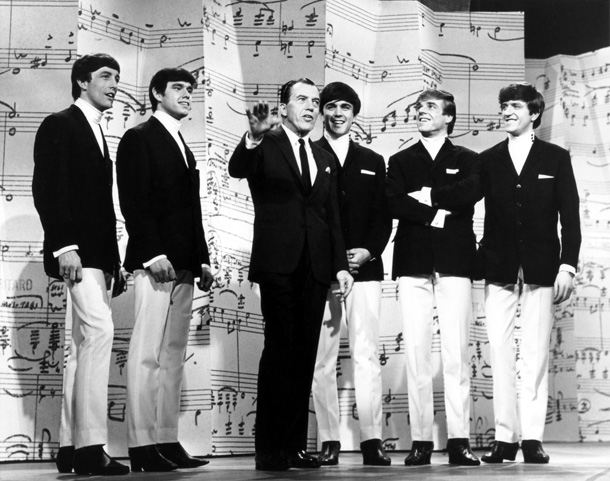 Ed Sullivan made the DC5 the next British rockers to earn a spot on his Sunday TV show, appearing for two weeks in March of 1964 (following the Beatles’ three weeks in February). They went on to appear 10 more times, more than any other band from the British Invasion, including the Beatles.
Between 1964 and 1967, the Dave Clark Five placed 14 songs in the American Top 20, including “Bits and Pieces,” “Can’t You See That She’s Mine,” “Over and Over” and “You’ve Got What It Takes.” They starred in their own movie, a Hard Day’s Night clone called Catch Us if You Can in the UK and Having a Wild Weekend in the States.
Yet, as the decade moved on, the Dave Clark Five failed to move with it. As rock grew more complex, the simpler sounds of the DC5 fell out of favor. By 1970, the group disbanded.
Dave Clark, however, was not finished. He was an acute businessman. He became a successful entrepreneur in the show business world, buying up the rights to the long-running British TV rock showcase, Ready, Steady, Go. He also wrote and produced a stage musical named Time that featured Laurence Olivier’s final acting performance. He continued to tour with various musicians as Dave Clark & Friends.
He also owned the rights to the entire musical catalog of his old band, There, he may not have been as wise because he kept the group’s music totally out of print between 1978 and 1993. Starting in ’93, Clark made a greatest hits compilation available, but it wasn’t until 2019 that virtually the entire catalog of the Dave Clark Five’s music was once again on sale to the general public.
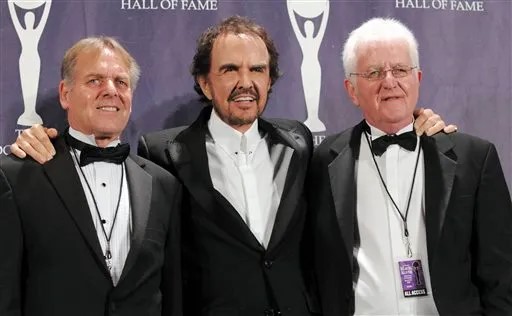 The group was finally enshrined in the Rock & Roll Hall of Fame in 2008. Denny Payton had passed away by that time. Mike Smith planned on attending the induction ceremony, but sadly, he also passed away just 11 days before the event.
Now, why in the world did people think that the Dave Clark Five would replace the Beatles? Because most of the media at that time was still in the hands of adults who had come of age in the pre-rock era. They presumed that all rock acts were just flashes in the pan, no better than yo-yos or bellbottoms, and the audience of star-struck teenage girls would quickly move from crush to crush in a fickle manner. The notion that the music really mattered never occurred to them.
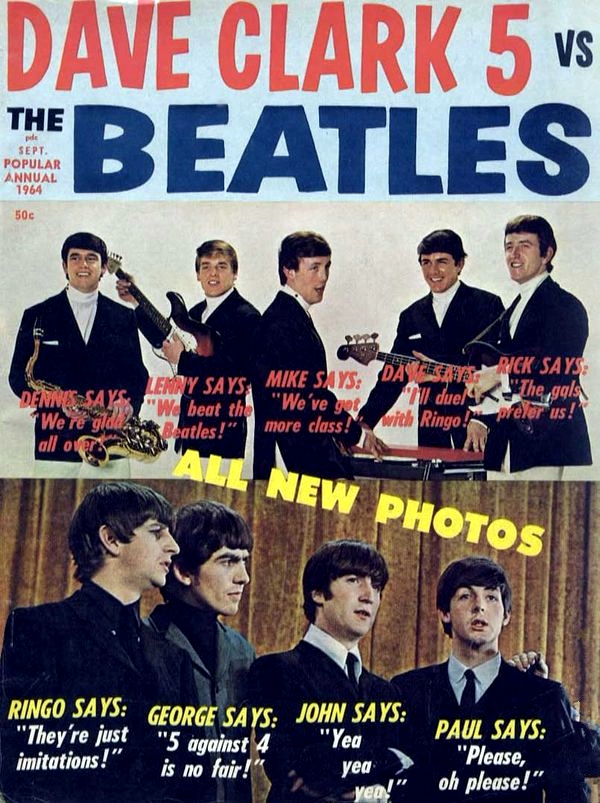 While the Dave Clark Five certainly looked good, Mike Smith being a particular heartthrob, the band didn’t have the brash stand-out personalities of their Liverpool cousins. Also, the Beatles started trends, from their haircuts to the movies to sitars and beyond. The DC5 were a competent combo of rockers, but innovators they were not. Clark, the group’s chief songwriter, didn’t have the writing talent or range that Lennon, McCartney and Harrison would develop as we moved through our Wonder Years.
Nevertheless, they deserve their spot in the Hall of Fame, and listening to the best of the tunes they cranked out in the mid-sixties can still make us feel “Glad All Over.”
Pop Up Player

Latest Posts–Movies & TV
-
TV That Time Forgot: Good Morning World (1967)
On paper, this TV series couldn’t miss. It was created by the two guys (Bill Persky & Sam Denoff) who had been head writers on The Dick Van Dyke Show and had launched Marlo Thomas…
-
Return to Mayberry
It's been awhile since we looked in on our friends in Mayberry. Here's how they're doing:
-
Make Room For Daddy
A.K.A. The Danny Thomas Show Virtually forgotten now, Make Room for Daddy was one of TV’s earliest and most successful sitcoms. But it took a long and winding road to get there and along the…
-
The 10 Best TV Themes for Baby Boomers
© 2026 By Allen B. Ury in some ways, TV themes provided a soundtrack to our lives even more than rock & roll. Life-long TV fan, writer and raconteur Allen Ury picks 10 themes we…
-
Friday Night at the Drive-In: "Ocean's 11" (1960)
The Rat Pack (started by Humphrey Bogart and inherited by Frank Sinatra after Bogey’s death) made two movies in the sixties. Neither were great shakes as movies go, but the first one, Ocean’s 11, is…
-
Who Remembers Francis the Talking Mule?
Every Baby Boomer remembers Mister Ed, the talking horse who caused trouble for his owner Wilbur Post. But Ed was actually a rip-off, a cheap TV imitation! Before Ed ever opened his mouth there was…