

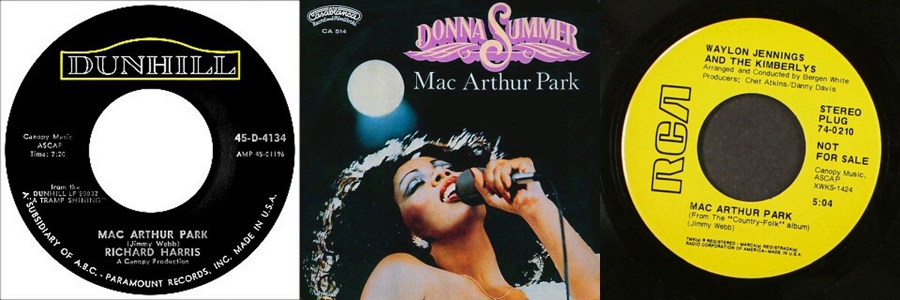
One of rock’s most famous songs had a long and strange journey to becoming a hit, not just once, but three times!
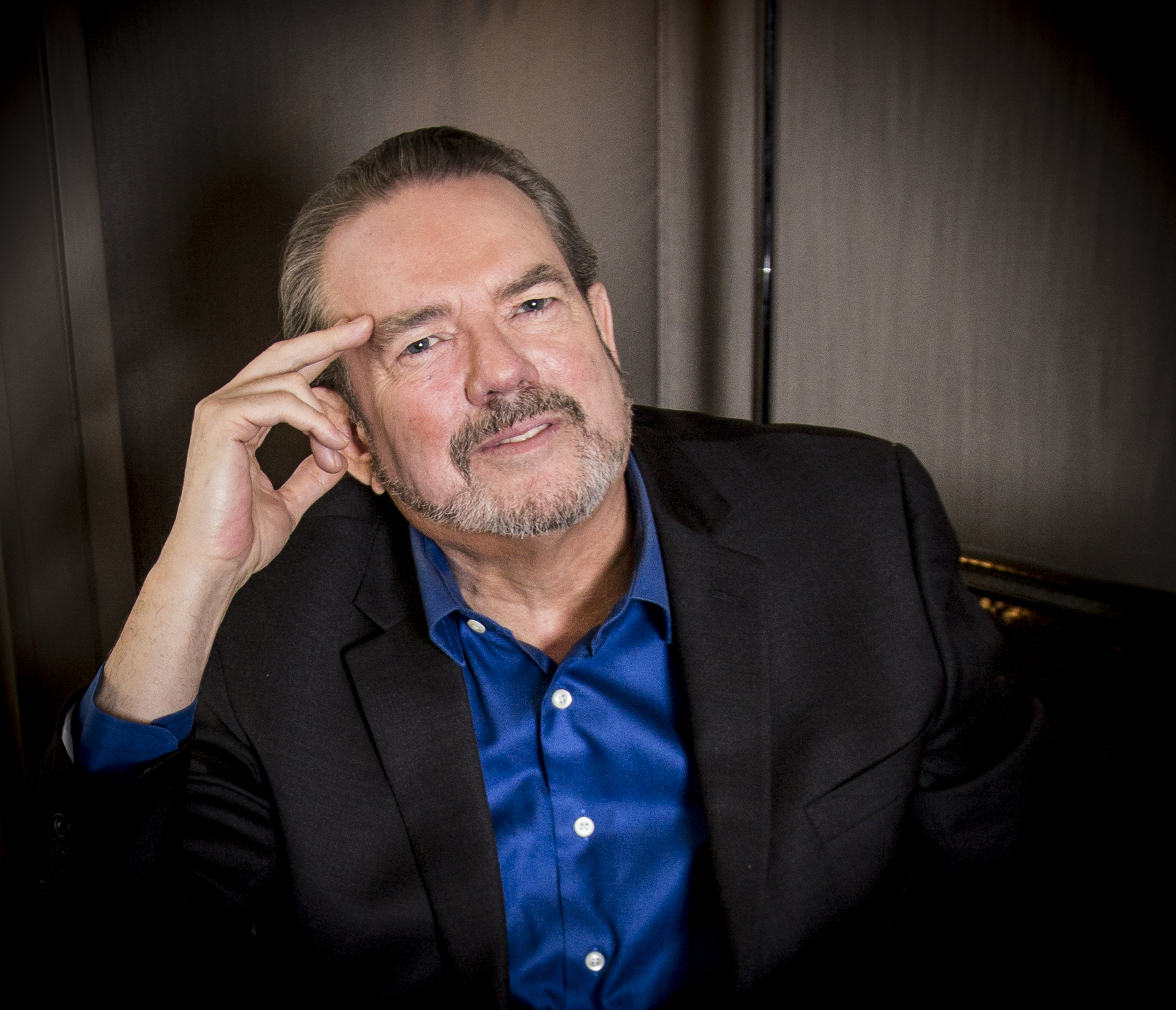
It began when Bones Howe, the producer for the squeaky clean pop group, the Association, asked composer Jimmy Webb to write a long piece for the group that featured several different movements and time signature changes. Webb was on a hot streak at the time. Starting in 1967, he had written “Up, Up, and Away” for the 5th Dimension, “The Worst That Could Happen” for the Brooklyn Bridge, and “By the Time I Get to Phoenix” for Glen Campbell.
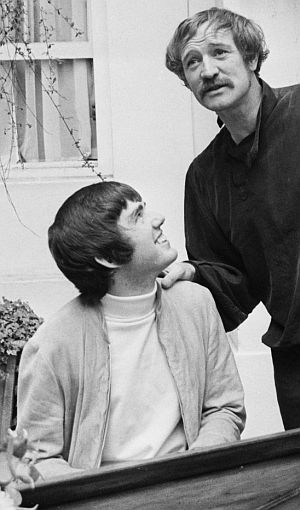 It was at this point that he composed what he called a cantata for the Association, but neither the group nor Bones Howe liked it, calling it too complex. Around the same time, Webb was asked to play piano at a fundraiser in East L.A. It was at this fundraiser that Webb met actor Richard Harris, who had recently been successful in the movie version of Camelot. While not having the best voice, Harris had managed to sing the songs his King Arthur character was required to sing, and so got it in his head that he could also become a pop singer.
Harris called in Webb and asked him if he had any material Harris might record for his debut pop album. Among the songs Webb played for him was a part of that rejected cantata that Webb was now calling “MacArthur Park.” Harris loved the song. In fact, he loved all the songs and decided his first album would be nothing but Jimmy Webb tunes. He even hired Webb to supervise the arrangements.
When the album was completed, it was Harris himself who selected “MacArthur Park” to release as the first single. Obviously, Harris knew nothing about Top 40 radio in 1968 America. The song’s length, clocking in at well over seven minutes, its vague and confusing lyrics, and the complex arrangement, which shifted in tone and time signatures as it went on its way, all would be powerful disincentives to getting airplay.
Maybe it was Webb’s reputation for writing hits, maybe it was just that the record sounded so different than anything else at the time, but New York’s big Top 40 station, WABC, took a chance and played it on air just days after its release. Before that sweet green icing could melt much further, the song had become a nationwide smash, rocketing all the way to #2 on Billboard’s Hot 100.
That song, coming less than a year after the Doors’ “Light My Fire,” was another stake through the heart of the Top 40’s rigid time constraint on songs. Moving forward, four- and five-minute songs would become commonplace on the nation’s teen-oriented radio stations.
Many, many artists have covered the songs. Just two years later, Waylon Jennings would release a country version that won the Grammy Award for Best Country Performance by a Duo or Group. In 1978, Donna Summer’s version of “MacArthur Park” did what Richard Harris’ version could not. Her version reached #1 on the Billboard Hot 100, earning even more royalties for Mr. Webb.
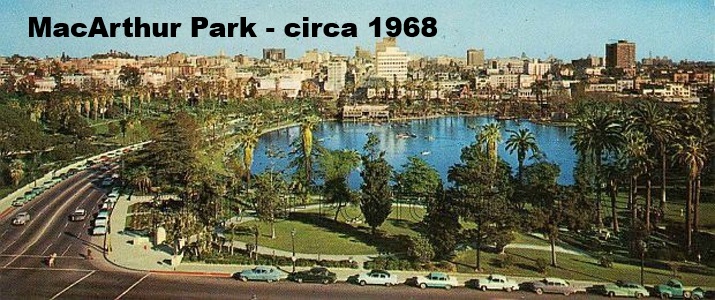
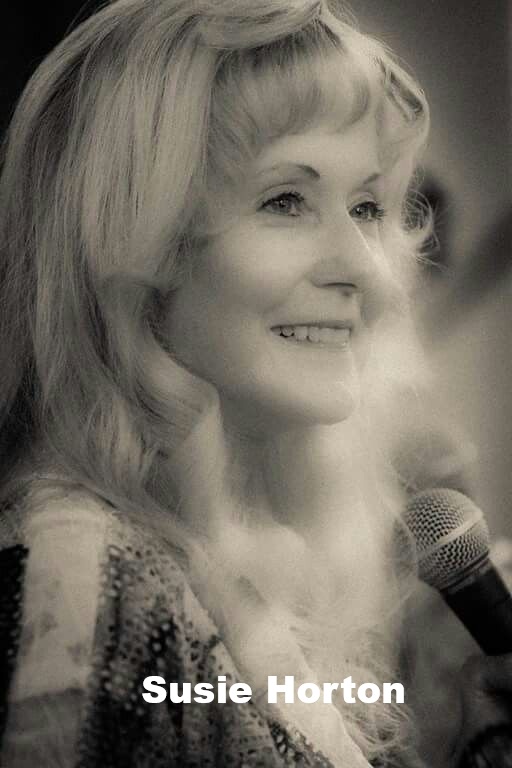 But just what is the song about? Actually, according to its composer, it’s a simple song about a romantic break-up. In the mid-sixties, Jimmy Webb was involved with a young woman named Susie Horton. Susie worked for Aetna Insurance in Los Angeles, and she would meet Webb for lunches in the park just across the street from her office. You guessed it, MacArthur Park. Webb says the lyrics are about mourning the end of that love affair and include the things he remembered seeing in the park when he was there with Horton:
“Everything in the song was visible. There's nothing in it that's fabricated. The old men playing checkers by the trees, the cake that was left out in the rain, all of the things that are talked about in the song are things I actually saw. And so, it's a kind of musical collage of this whole love affair that kind of went down in MacArthur Park. ... Back then, I was kind of like an emotional machine, like whatever was going on inside me would bubble out of the piano and onto paper.”
Webb and Horton remained friends after breaking up and even after Susie got married to another man. Webb has had a long, extremely successful career as a songwriter and as a singer. Richard Harris never really had another hit, despite releasing several albums, although he did wind up his long career playing headmaster Albus Dumbledore in the Harry Potter film series.
And while they “never had that recipe again,” “MacArthur Park” is fondly remembered as one of the 60s’ biggest hits.