


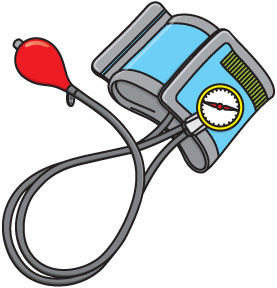
 Keeping an eye on your blood pressure can help you know if you’re at risk for heart disease or a stroke. But you need to know more than just the raw numbers you get from that free blood pressure machine at your local supermarket or pharmacy.
Here are five facts that can help you “handle the pressure.”
1. Blood pressure climbs as you age – It’s normal, but make sure you are getting it checked regularly to ensure it doesn’t become hypertension.
2. The top number is the one to watch – Systolic pressure is the one to pay attention to because it measures the peak force your pulmonary system is experiencing.
3. The optimum blood pressure number is different for different people – In fact, experts don’t agree on what the ideal pressure should be. Work with your primary care physician to determine what range is optimum for you.
4. Healthy diet and lifestyle changes can work as well as a pill – Cutting back on salt is the easiest. Dropping weight, while more difficult, can also help. It almost goes without saying that regular exercise will not only lower your blood pressure, but can provide other positive health benefits. (Make sure you consult with your physician before beginning any exercise regimen.)
5. Yes, coffee makes blood pressure spike, but… The spike lasts about 3 hours but appears to have no long-lasting effect. So, if you still need that jolt of java in the morning, most experts agree that you can go for it.
5 Ways to Be Sure You Get the Most Accurate Readings
 When you’re checking your blood pressure, here are 5 ways to guarantee you’re producing the most reliable readings.
1. Be as still as possible – Make sure you haven’t been doing anything stressful (anything that might raise your heart rate) like exercising or lifting heavy objects. Experts also recommend that you refrain from smoking and caffeinated beverages for at least 30 minutes before you check your pressure.
2. Be seated correctly – Sit up straight (like your mom always told you) in a chair with a solid back on it. Keep your feet separate and flat on the floor. Your arm should be supported, either by an arm rest or place your chair next to a table that will have your elbow at about heart level.
3. Be sure you take your blood pressure at the same time every day – Our blood pressure will vary regularly during different day parts. To make sure you’re comparing “apples to apples,” so to speak, take your readings at the same time of day.
4. Be sure you take multiple readings and keep track of your results – The experts recommend that you take two readings, one minute apart, every time you check your blood pressure. Make sure your record each result. That way, you’ll have a convenient, accurate record to take with you when you visit your healthcare provider.
5. Be careful not to let your clothes interfere with the measuring device – If possible, wear something short-sleeved or sleeveless. If not, loose-fitting long sleeves that can be rolled up without constricting your upper arm works best.
Taking regular readings is important because a single reading is just like a snapshot. It may not give you the best picture. Taking multiple readings over a period of time will bring your true heart health into better focus.