


Gut Check

Doctors say the best way to say healthy AND lose weight is to make sure your meals are built around fiber-rich foods such as:
- Fruits
- Vegetables
- Beans (legumes, not green beans)
- Nuts
- Seeds
- Whole Grains
That kind of diet can actually encourage the grow of microbes in your body associated with weight loss. You’ll also sleep better, think more sharply and catch fewer colds!
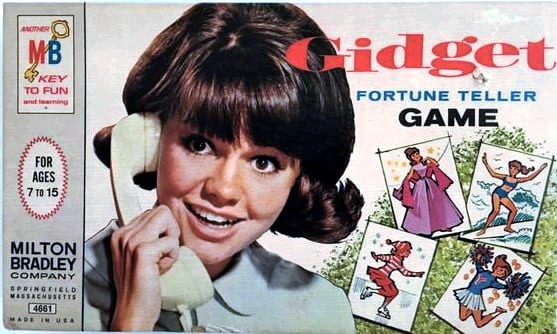
I Went to See the Fortune Teller...
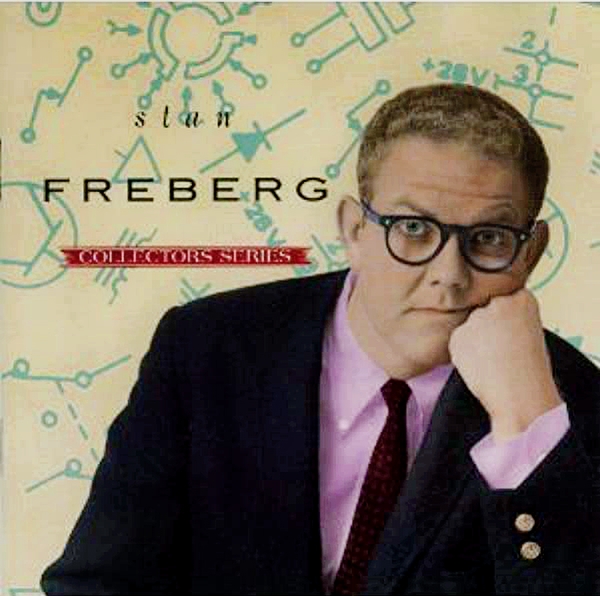
He Was “Weird Al” Before There Was “Weird Al”
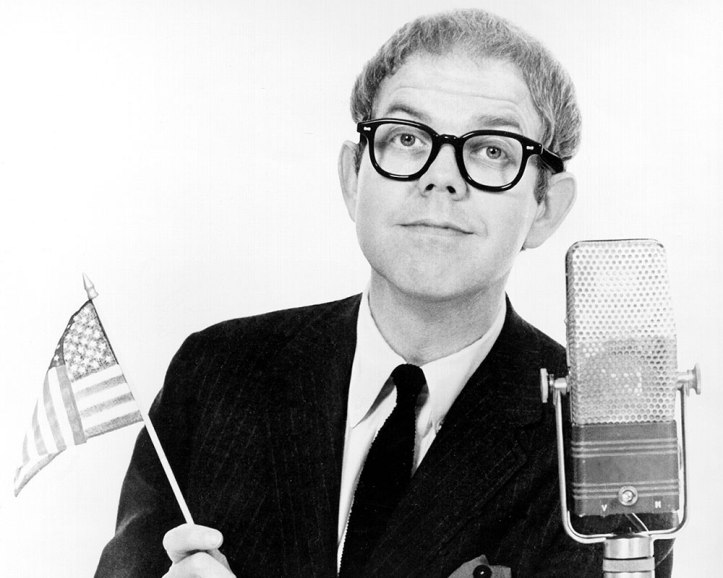 For decades now, “Weird Al” Yankovic’s name has been synonymous with clever song parodies of popular songs. But there was another parody artist well before “Weird Al,” one who had his own string of hits and actually provided a young Mr. Yankovic with inspiration – Stan Freberg!
Freberg began his career doing character voices for Warner Brothers cartoons. He then moved on to Capitol Records, where he provided voices for the early Bozo record albums. Although Pinto Colvig was the voice of Bozo, Freberg provided other character voices.
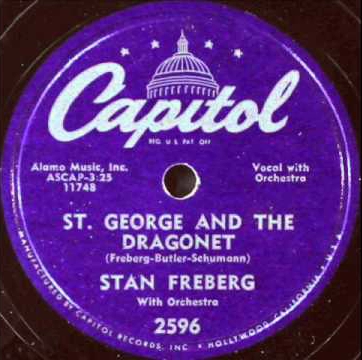 At Capitol Records, Freberg began crafting clever parodies of the pop culture of the American 1950s. He hit gold with a parody of Dragnet called “Saint George & the Dragon Net.” It stunned the recording industry when it went all the way to #1 in 1953. He followed that with a sequel, “Little Blue Riding Hood” (“the color has been changed to protect the innocent”). That record also reached the top 10.
Freberg interspersed his little TV show parodies with parodies of actual songs, including “Try” (making fun of Johnny Ray’s hit “Cry”) and “C’est Si Bon.”
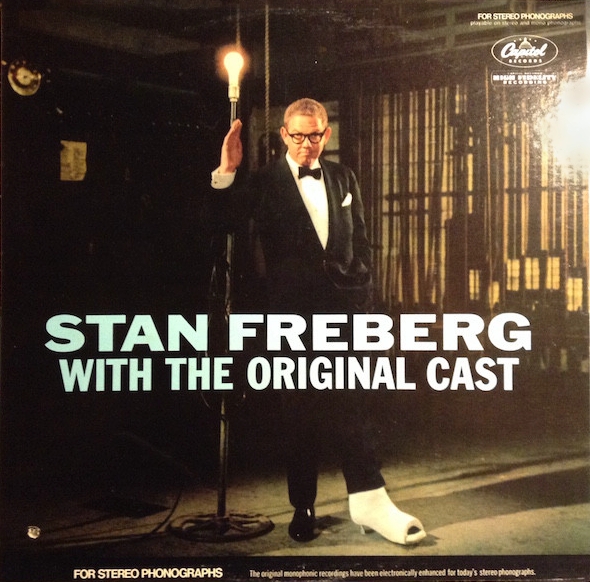 As rock & roll gathered steam, Freberg inevitably turned his attention to that, cranking out parodies of “Sh-Boom,” “Heartbreak Hotel,” & “The Great Pretender.” In all, he placed 13 records in the Top 40 between 1951 and 1959. His most enduring recording was “Green Chri$tmas,” a parody of Dickens’ “A Christmas Carol” neatly satirizing America’s over-commercialization of the holiday. As Christmas has only gotten even more commercialized, his parody still receives fresh airplay every December.
Freberg then turned his attention to advertising, where he helped pioneer the use of outrageous humor in commercials, including a spot that featured Ann Miller tap dancing on top of a giant can of soup.
Most of Freberg’s hit parodies remain available on CD and from music streaming services.
For Memorial Day
Frankie & Annette usually get all the attention, so to kick off this summer, we thought we'd salute Ride the Wild Surf & start our summer with Susan Hart, Shelly Fabares & Barbara Eden (Eden having to dye her hair red because Fabares dyed hers blond).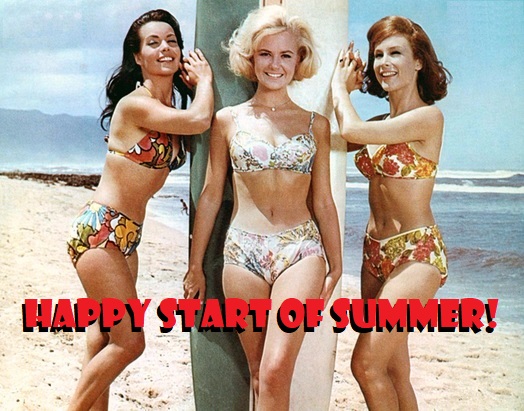
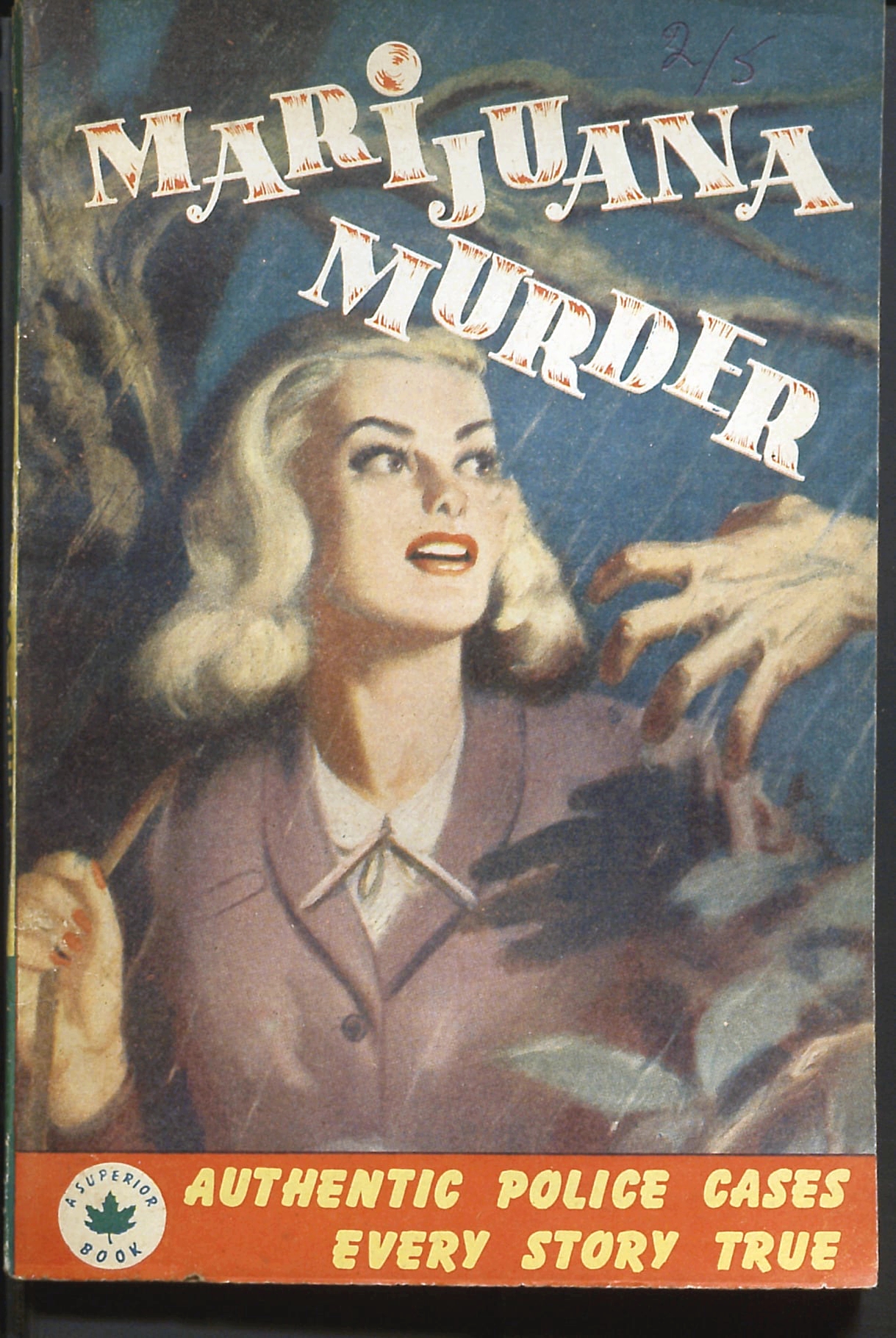
From the Boomtown Paperback Collection
In our rush to legalize weed, aren't we forgetting somethingz?
After all, these are authentic police cases, right?
Made Your Summer Getaway Plans Yet?
Remember when life was this simple (BTW - The band seems to have had terrible taste in albums)?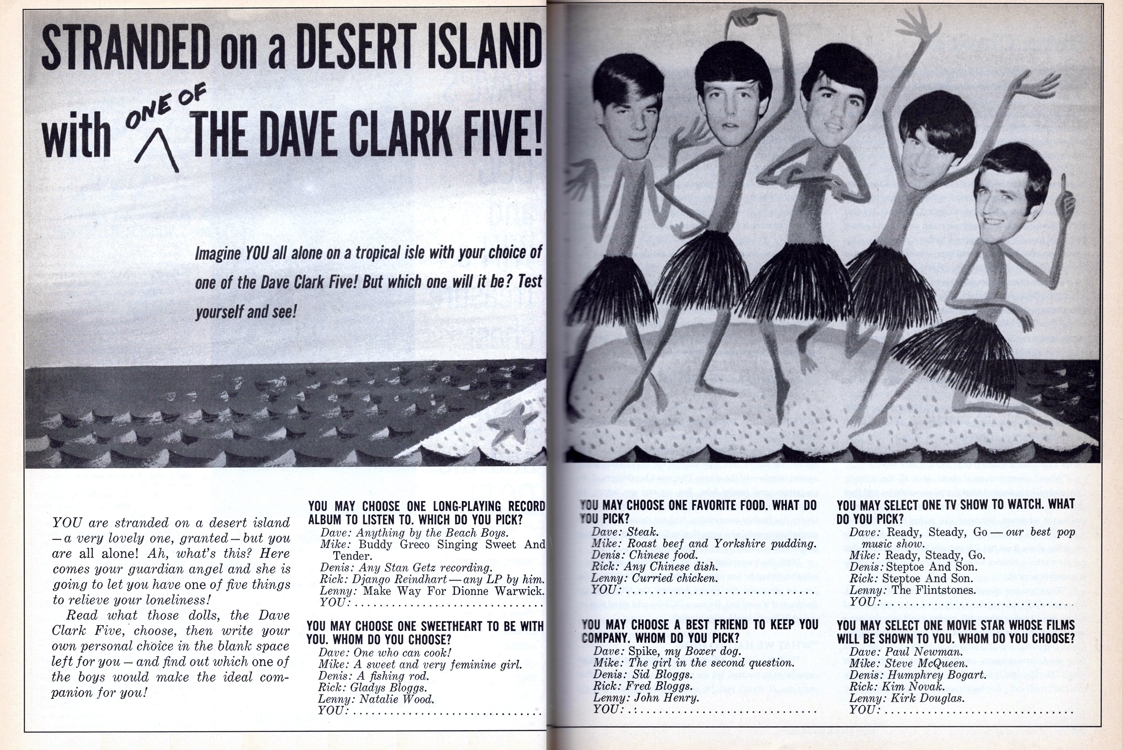
Steinman’s Songs
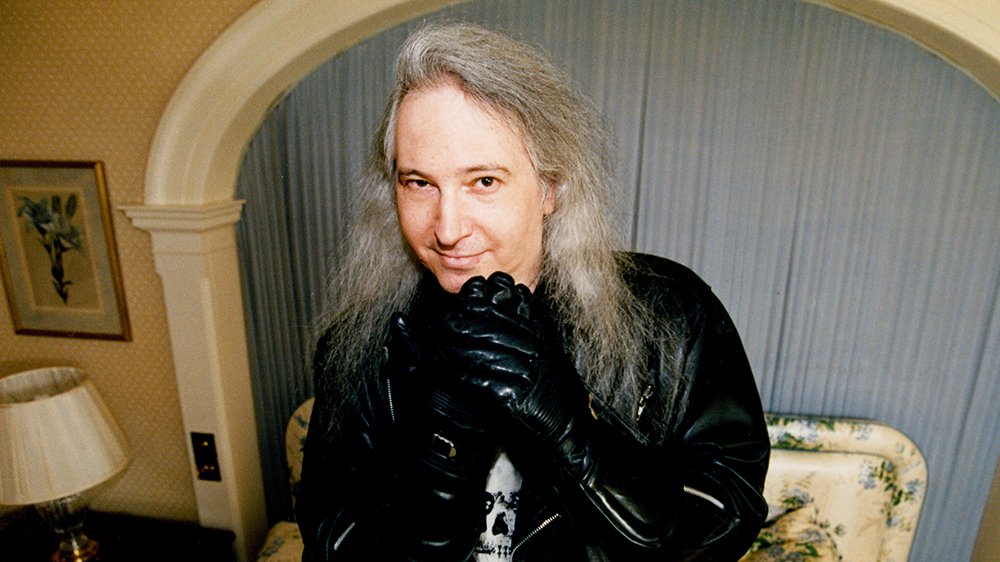 With the passing of songwriter/producer Jim Steinman in 2021, we were surprised at how many people were unaware of his other contributions to pop history outside of his collaboration with Meat Loaf on the 3 Bat Out of Hell Albums as well as Dead Ringer and Braver Than We Are.
Steinman recorded one solo album, Bad for Good. Those songs were intended for a follow-up to Bat Out of Hell, but problems with Meat Loaf led Steinman to record these songs himself. Ironically, over the years, Meat Loaf has recorded or performed nearly all of them; so, if you’re diligent, you can compile your own Bad for Good playlist featuring Mr. Loaf’s versions.
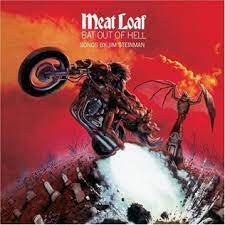 The exceptions would be for “Life & Death of an American Guitar” (which likely would have been voiced by Steinman anyway – similar to Steinman voicing the “Wolf with the Red Roses” speech that precedes “You Took the Words Right Out of My Mouth” on Bat Out of Hell) and “Stark Raving Love.” “Out of the Frying Pan and Into the Fire” is a little bit tricky, as Meat Loaf has never released a studio version of this track, but did perform it in his live shows back in the day. As such, many video clips of Meat Loaf performing this song live exist via YouTube.
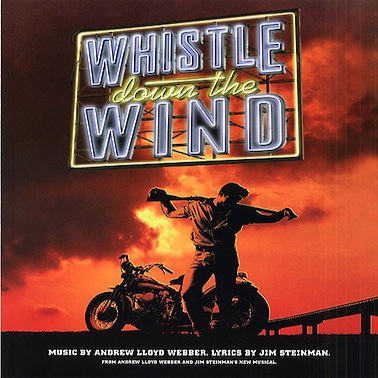 Now, once we get past Meat Loaf, Steinman also collaborated with Broadway behemoth Andrew Lloyd Webber on a stage musical called Whistle Down the Wind (Webber handled the music, Steinman contributed the lyrics). The show has seen productions in the UK and the US as well as a “for-records-only” version. A couple of the songs from the show have also been covered by other artists over the years – most notably “No Matter What,” which was a huge hit in England for Boyzone (yes, Meat Loaf has also covered this one).
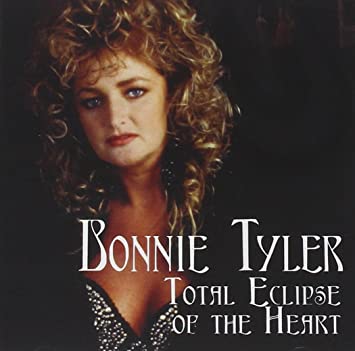 Unquestionably, Steinman’s most successful recording, bar none, was “Total Eclipse of the Heart,” which he wrote and produced for Bonnie Tyler in 1983. The song topped the charts in countries all over the world, racking up sales of more than 6 million copies, and has been recognized as one of the absolutely most popular songs to be released during the 1980’s.
 But here are some of the other songs Steinman wrote (many of which he also produced):
Yvonne Elliman – “Happy Ending” (1973 – Steinman’s big break as a songwriter)
Barry Manilow – “Read ‘Em and Weep”
Air Supply – “Making Love Out of Nothing at All”
Fire, Inc. – “Nowhere Fast” (from the soundtrack of the film Streets of Fire)
Fire, Inc. – “Tonight Is What It Means to Be Young” (Ditto)
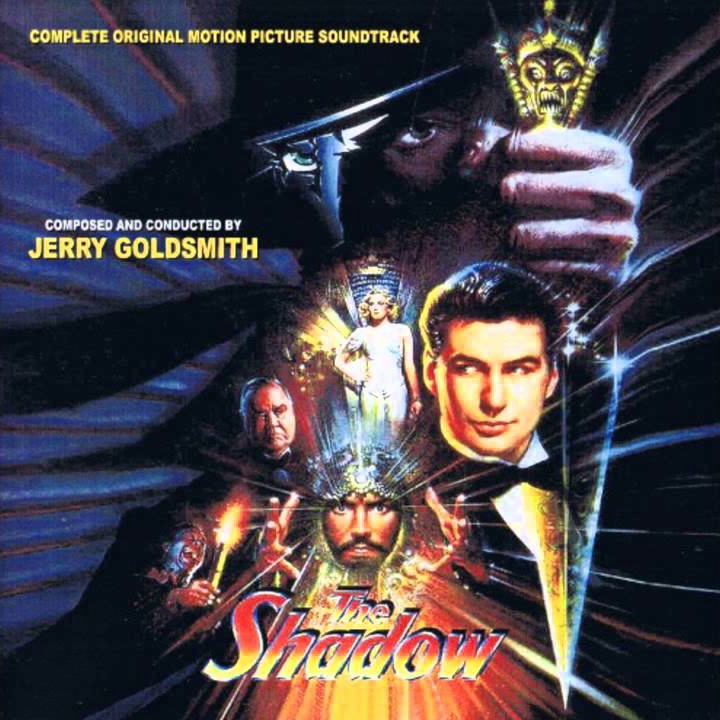
Taylor Dayne – “Original Sin” (Written for the movie The Shadow)
Barbra Streisand – “Left in the Dark”
WWE – “Hulk Hogan’s Theme”
Bonnie Tyler – “Holding Out for a Hero” (Another big hit in the U.S. & several other countries)
Sisters of Mercy – “More”
Celine Dion – “It’s All Coming Back to Me Now” (Another #1 single)
Everly Brothers – “A Kiss Is a Terrible Thing to Waste” (Cover of a song from Whistle Down the Wind)
This list is by no means complete, so if you love Steinman’s songs, we wish you happy hunting and hope this will give you a great start!
Take a Gander At The Rock & Roll Scrapbook
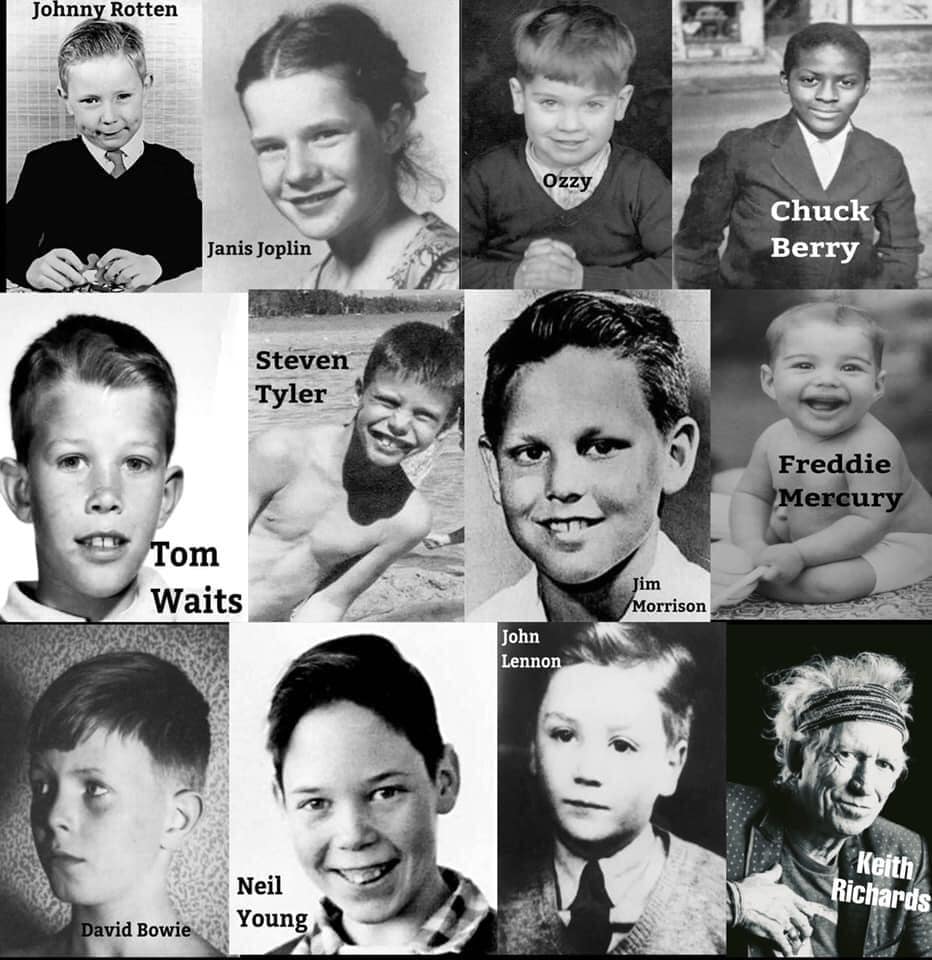
They were so cute as kids...
Jim Steinman 1947-2021
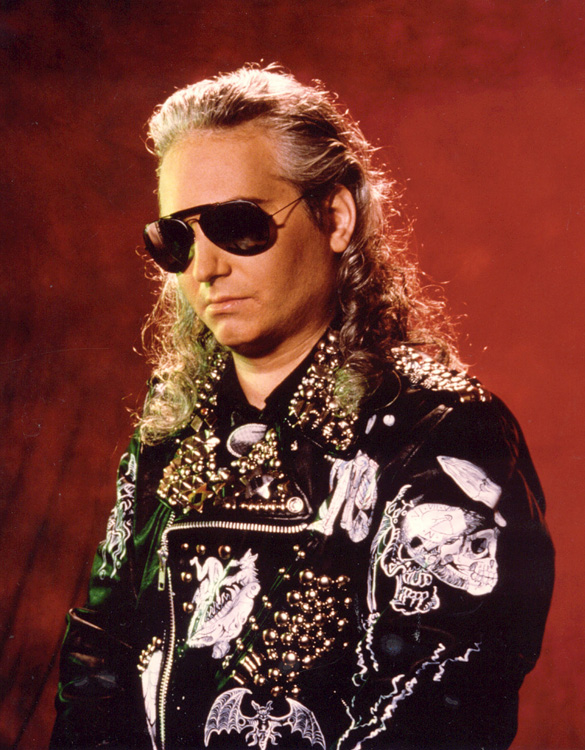 It is with sadness that we learned that Hall of Fame songwriter Jim Steinman passed away Monday from long-term health problems.
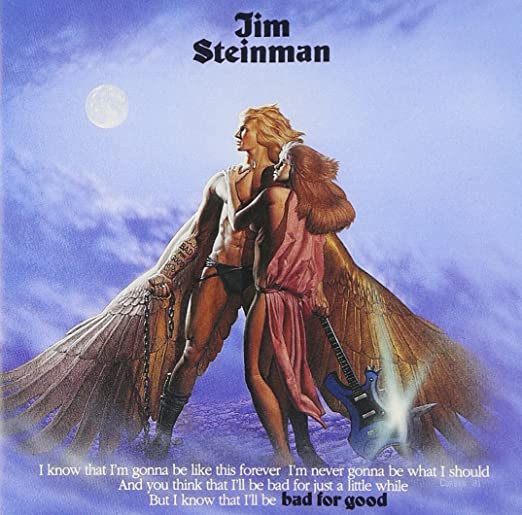 Less well-known, his only solo album Bad for Good was supposed to be Meat Loaf's follow-up to Bat Out of Hell. When problems arose between Meat Loaf & Steinman (a recurring theme in their careers), Steinman went into the studio and cut it himself.
The Story Behind the Song: Sally Go Round the Roses
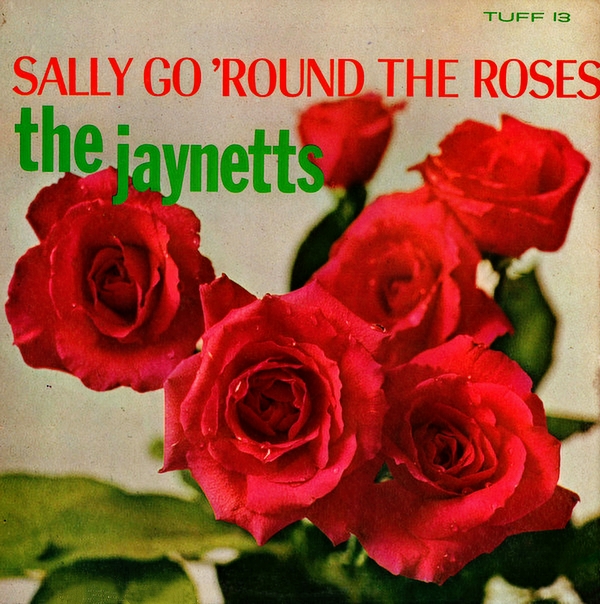 One of the simplest, yet most haunting songs of the 1960s, “Sally Go Round the Roses” hit right before the start of Beatlemania in August of 1963. The record is credited to a one-hit wonder, the Jaynetts, but the story behind the song reveals a history that’s a bit more complicated.
Abner Spector (no relation to Phil) was an A & R man for Chess Records who occasionally produced R&B sides for a small independent label known as Tuff Records. In the spring of 1963, Spector decided that he wanted to record a song with the girl group sound that was then a very popular genre (thanks to the Shirelles, the Chiffons, the Dixie Cups, etc.). So, he talked to the head of Tuff Records, Zelma "Zell" Sanders, and asked her to come up with an appropriate song and begin assembling some singers. Zell wrote the song in collaboration with Spector’s wife, Lona Stevens. The duo decided to draw their inspiration from the nursery rhyme “Ring Around the Rosie” (itself kind of creepy – as its seemingly innocent lyrics are really about the symptoms of the Bubonic Plague).
Once the song was written, Spector played the tune for arranger Artie Butler. Artie didn’t think it sounded like a hit, but agreed to do what he could with the song. To save money, Bell worked out of a small demo studio in Manhattan, hiring only 2 musicians to assist him – guitarists Al Gorgoni and Carl Lynch. Butler himself played all the other instruments. The tracks were laid down on an old Ampex machine, recording at 71/2 ips. Butler slowly built up the tracks applying a different style and amount of reverb to every new instrument he added.
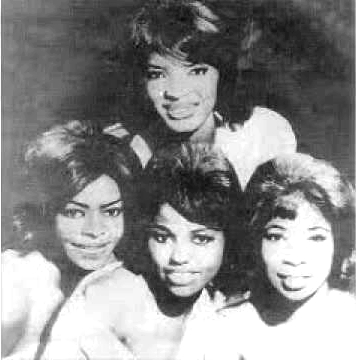 When he had the backing tracks completed, he went in the studio with a group of 5 female singers Sanders had assembled (Yvonne Bushnell, Ethel Davis, Ada Ray Kelly, Johnnie Louise Richardson and Mary Sue Wells). Butler didn’t think they were enough and began adding other voices to the recording. In the end at least 10 different women contributed vocals to the song (also including Selena Healey, Marie Hood, Marlene Jenkins, Louise Harris Murray, Lezli Valentine and Iggy Williams), with some people who attended the sessions claiming as many as 20 different singers were ultimately used.
When the record was finished, Butler played it for Spector. And Spector hated it.
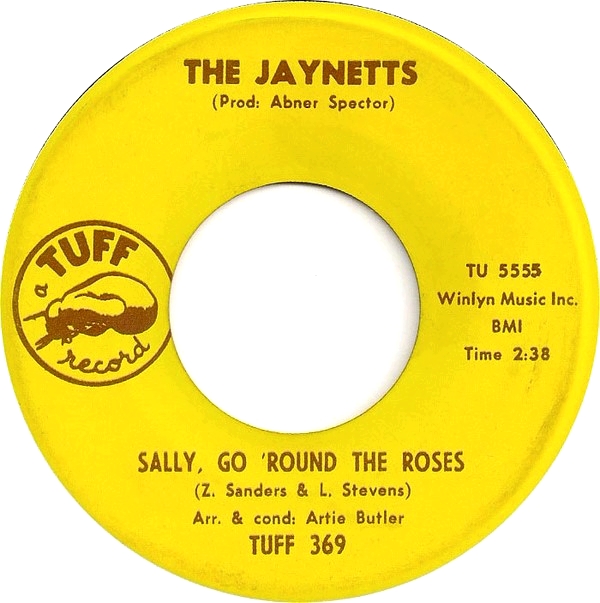 He accused Butler of wasting his money (in all, the record cost $60,000 to assemble, an unheard of figure in those days). So, Butler took the record to famed songwriter/producers Jerry Lieber & Mike Stoller (Elvis, the Coasters, the Drifters, etc.). Lieber & Stoller loved the song and offered to buy it from Spector and release it themselves. Well, their interest changed Spector’s mind. He went ahead and released it himself on the Tuff label, using the name the Jaynetts as the recording artist and crediting himself as producer. Butler did wind up getting credit as arranger, but received only $3 for all his efforts. When the record was released, most photos of the alleged “group” showed only four of the females who sang on the record (Yvonne Bushnell, Ethel Davis (aka Vernell Hill), Ada Ray Kelly and Johnnie Louise Richardson, with Mary Sue Wells eventually replacing Richardson).
The song became an immediate smash, racing up the charts until finally reaching #2 on the Billboard Hot 100 in September of 1963.
One of the reasons for the song’s enduring popularity is the almost other worldly eeriness & melancholy that drench the production. And what has caused this soul-crushing sadness is only vaguely alluded to in the lyric: “Saddest thing in the whole wide world/See your baby with another girl”. A simple case of a cheating lover seems too trivial for such monumental sadness. Over time, many have put forth a variety of other explanations – the song is about lesbian lovers (then a scandalous topic), drug use, the singer has discovered she is pregnant and will be an unwed mother. But like all great rock songs, the meaning of it is totally up to each individual listener to determine.
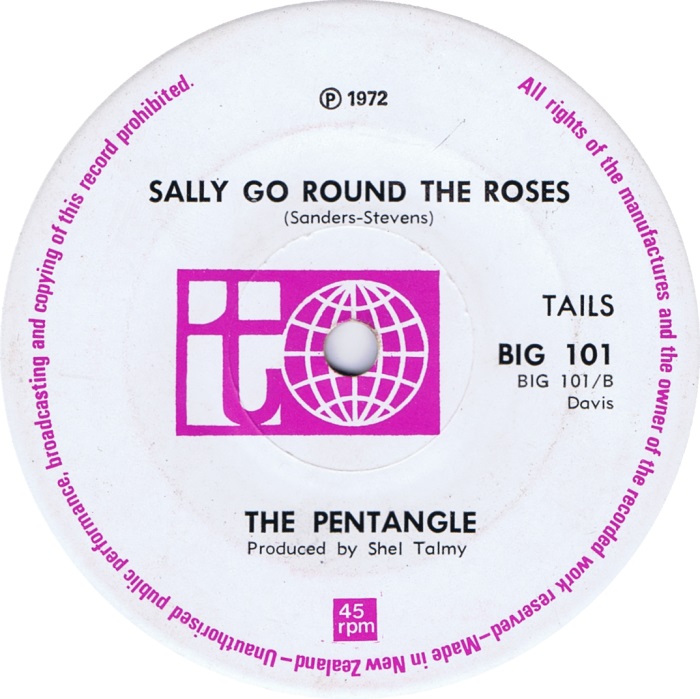 The song has inspired many other rock singers who came after it, including Grace Slick (who performed the song with her original group, the Great Society), Joan Baez (who can be heard singing a bit of the song in the Dylan film, Don’t Look Back), Pentangle (who had a UK hit with the song at the end of the 60s and many others, including Donna Summer who recorded a version when she was going by the name Donna Gaines.
Alas, lightning only struck once. Attempts to follow up “Sally Go Round the Roses” all failed to chart. But the record was named to Billboard’s compilation of the “100 Greatest Girl Group Songs of All Time.” Give it another listen and se if you can figure out why Sally needs to keep going round those roses.
Pop Up Player

Latest Posts–Health & Wellness
-
Snacks That Are Better for Your Teeth
When we snack, we probably think about calories, blood sugar, etc.; but dentists tell us we should also be thinking about our teeth. Foods made with white flour and/or sugar can feed the bacteria in…
-
To Floss or Not to Floss? That Is a Real Question!
No doubt your dentist tells you to floss, but is there any research to back up that advice? Surprisingly, no. There has never been a study to test the benefits of flossing. But that doesn’t…
-
Write Your Way to a Good Night's Sleep
Having trouble falling asleep because something is bothering you? A recent study shows that if you write down what’s bothering you AND how can solve that problem just before going to bed, you increase your…
-
Exercise You May Actually Like to Do!
Contemporary research shows that an active sex life for men and women above 50 is very good for the brain! Those adults who remain sexually active score higher on cognitive tests than those who are…
-
A Great Health Trend: Exercise Snacking
No, exercise snacking does not mean doing arm curls to get the Doritos to your mouth. It means approaching exercise like you approach snacking. It means exchanging one prolonged period of intense exercise for several…
-
Isolation as Bad as Smoking?
We all know modern society is more disconnected than the world we grew up in. That is especially true as we age. Isolation is different than simple loneliness. Isolation means emotional and physical disconnection with…